Tag: small wild cats
-
The secrets behind how small wild cats remain so elusive:
Many creatures in the animal kingdom use camouflage to help them hide from predators and for hunting. This is especially important for cats as many of them use stalking as their prime technique for catching prey. Today we explore how cats use camouflage to help them hide, and hunt, and what other tricks they use…
-
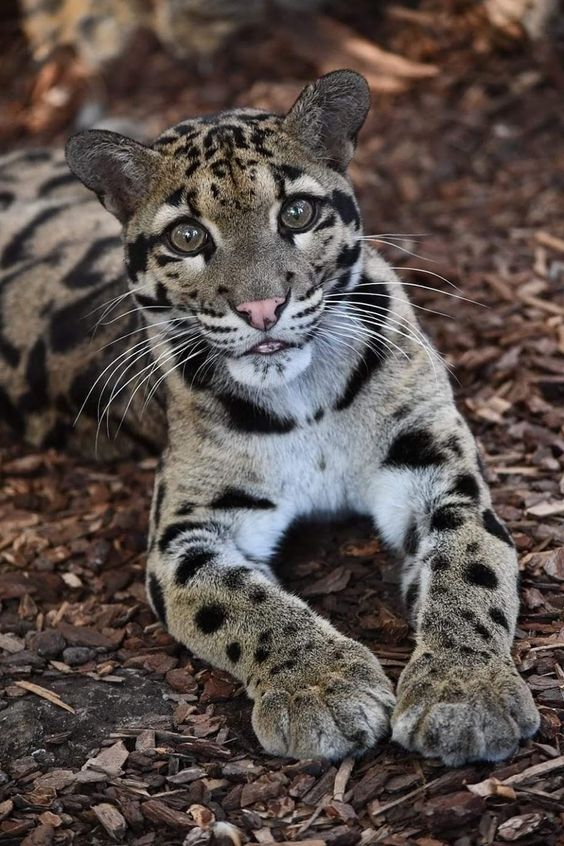
Clouded Leopards
The clouded Leopard is the smallest of the big cats and the biggest of the small cats, so what is it that makes them so unique? Split into two sub species as recently as 2006, the clouded and Sundra clouded leopard are very similar in appearance and size. Both have long bodies, short powerful legs…
-
Missing cats – Why there are no Wild cats in Australia.
A question we are often asked at FELIS is, “Why are there no wild cats in Australia?”. It’s an interesting question and we will attempt to explain the reasons for this and try to demonstrate how we know. Oi! Stop yawning – this is interesting… That’s better… To begin to explain the lack of wild…
-
FELIS – Ears!
Last week we looked at tails and how a cats habitat can affect their morphology. In the same way, a cats hunting habits can have a strong impact on the physiology of a cats ears. As you can see from the images below, cats have evolved to have very different looking ears, from the short…
-
FELIS – Melanistic Cats
Melanistic Cats A cats fur colour can vary greatly, even among those born in the same litter. Small wild cats born of the same litter can typically be spotted/stripped or plain but also all black. This black colouring of the fur is due to an increased amount of melanin, a black pigment in the fur.…
-
FELIS – Tails
TAILS: The shape of a cats tail varies greatly between species and the tails we see today are the product of a long and complex evolutionary history. As with many species in the animal kingdom a small wild cats morphology, or physical traits, have been affected by millions of years of natural selection and the…
 FELIS-UK