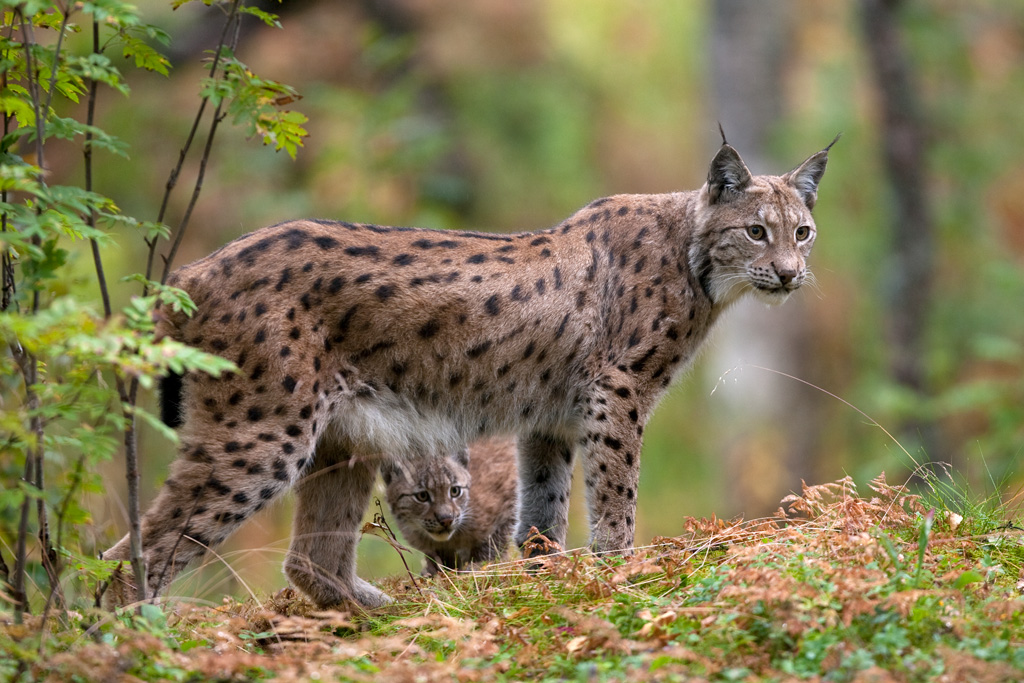
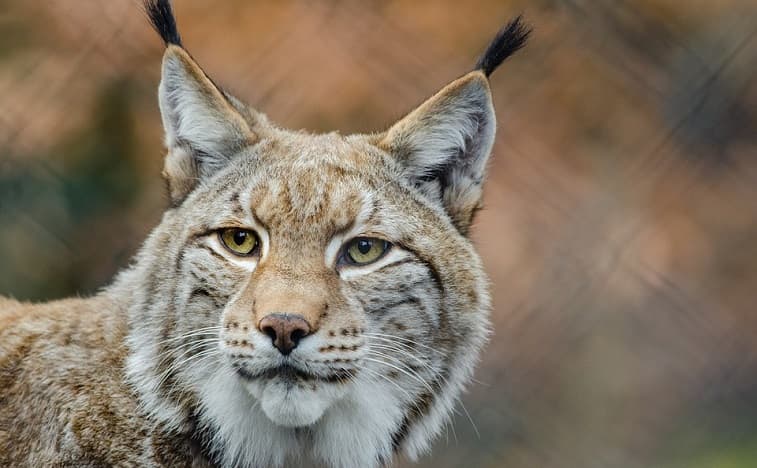
EURASIAN LYNX (Lynx lynx)
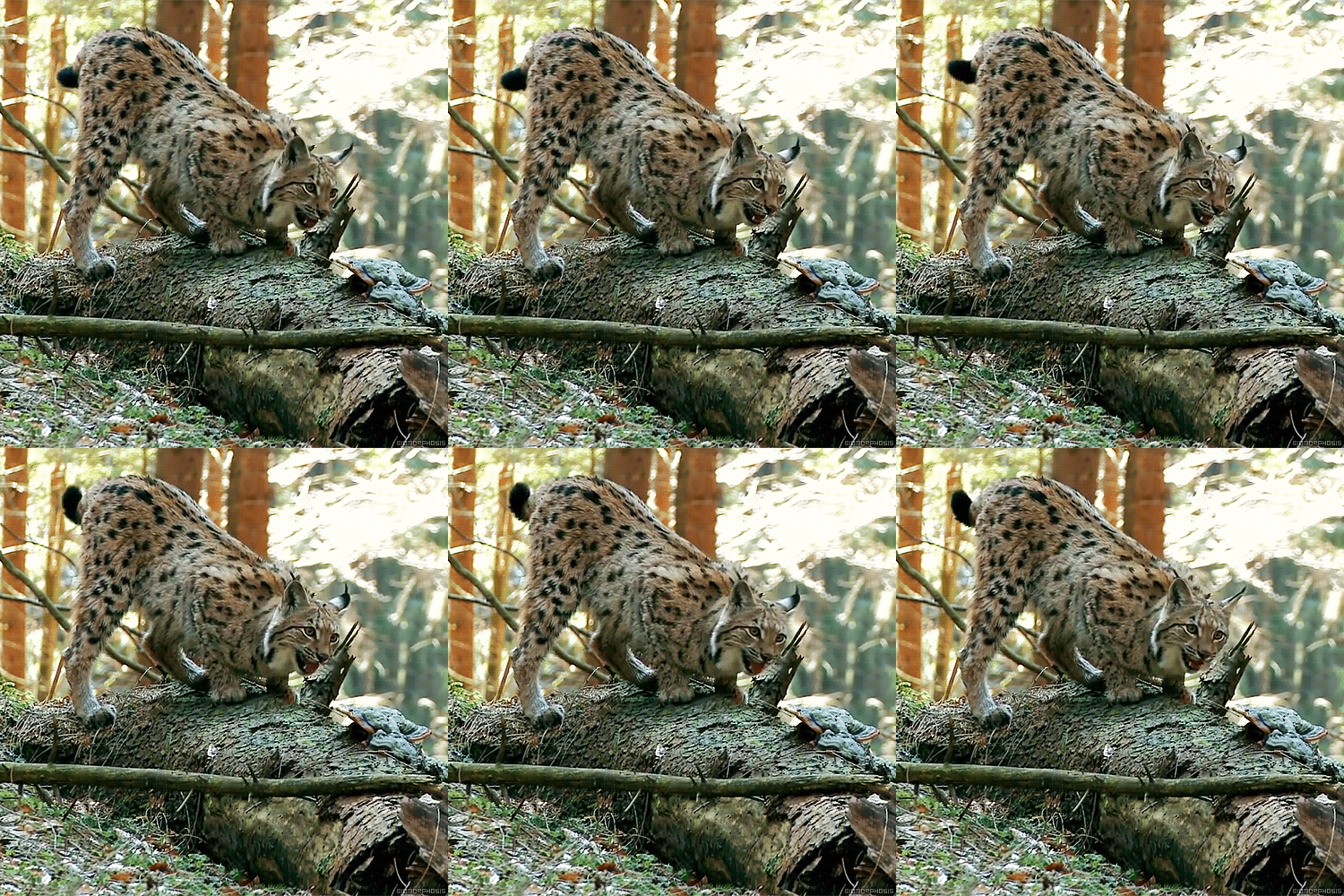
Also known as: Common lynx, Northern lynx.
Conservation status: Least concern
Size: The adult Eurasian Lynx is 31 to 55 inches long from the head to the base of the tail; the tail adds a further 4 – 10 inches. It weighs roughly between 12.5 – 25 kg.
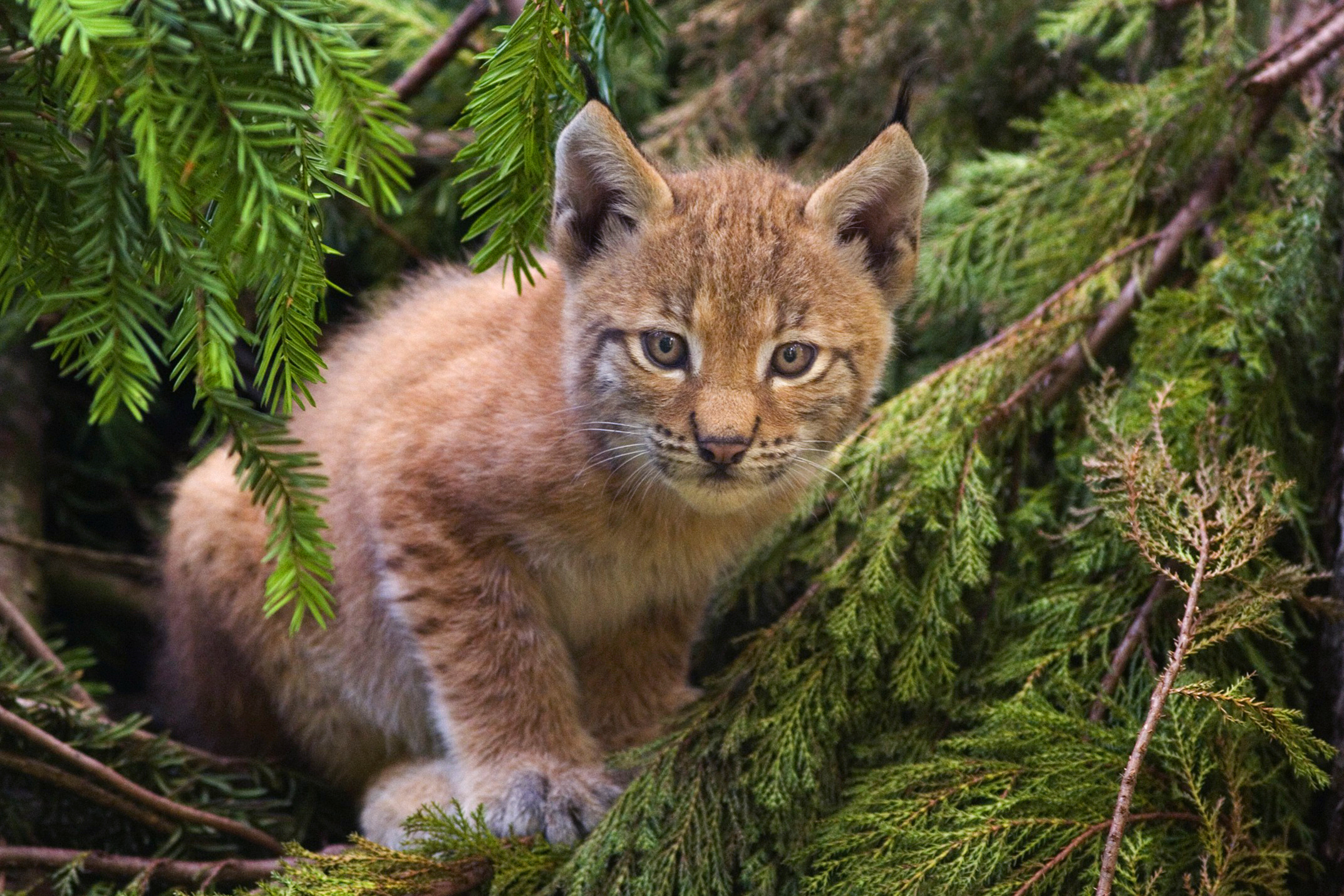
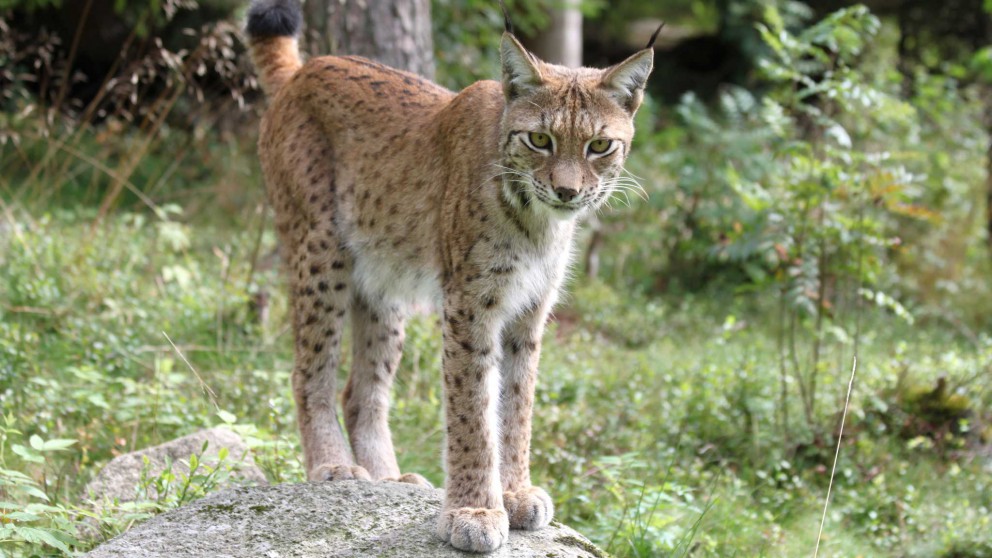
Colour and markings: Fawn yellow grey to light brown with reddish brown or dark brown spots.
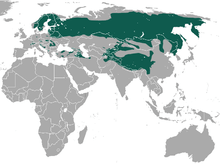
Distribution: The Eurasian lynx inhabits forest and scrubland regions of Western Europe, Scandinavia, Russia, Mongolia, Manchuria, Iran, Iraq, and Asia.
Prey: Wild pigs, beavers, rabbits, birds, deer.
Threats: Fur trade.
CAT-FACT: The Eurasian lynx is one of the widest ranging cats in the world and can be found in the forests of western Europe, Russia and central Asia.
Video
Extra Photos:


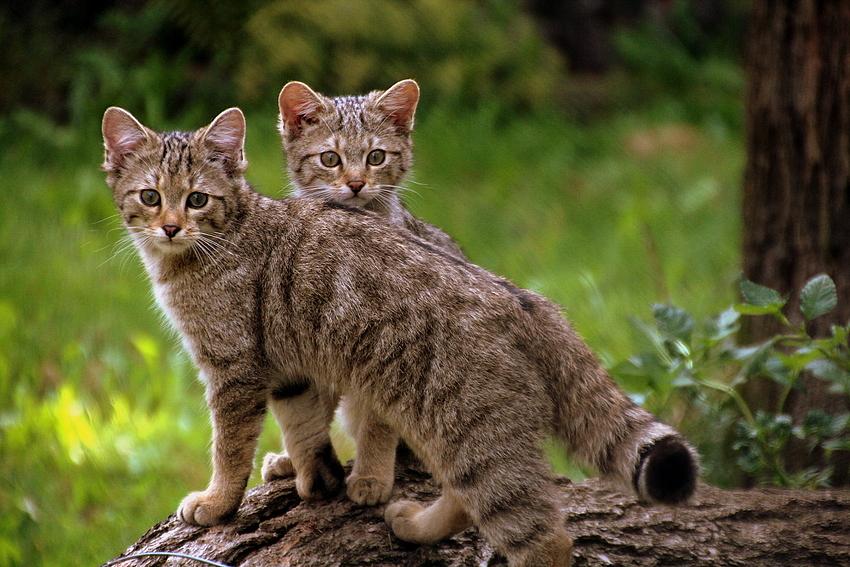
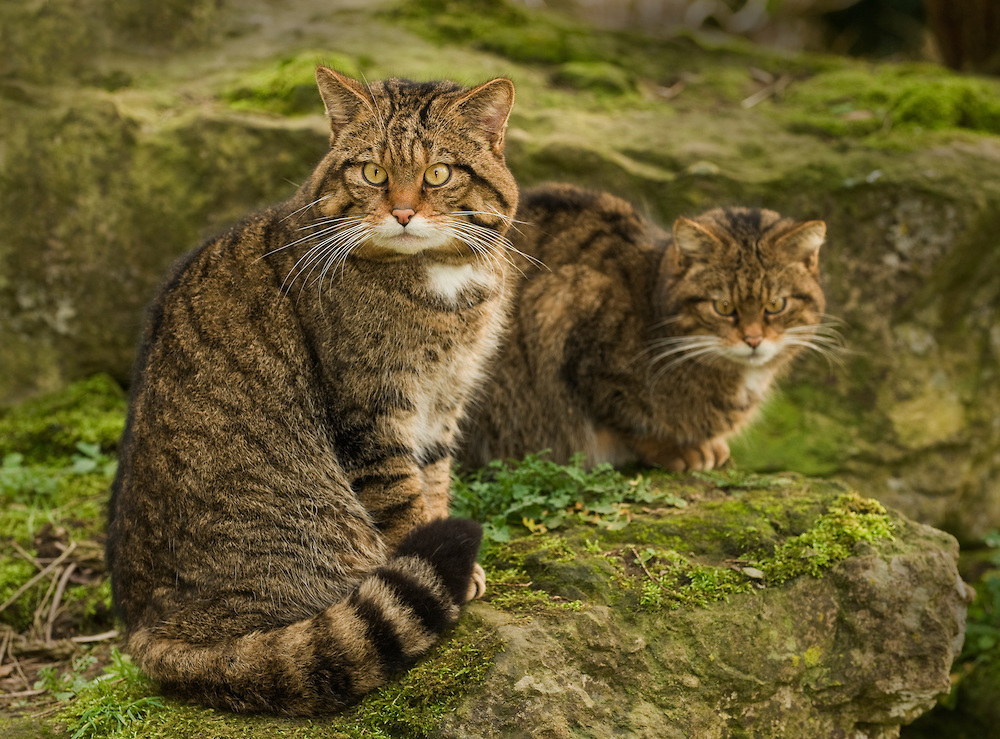
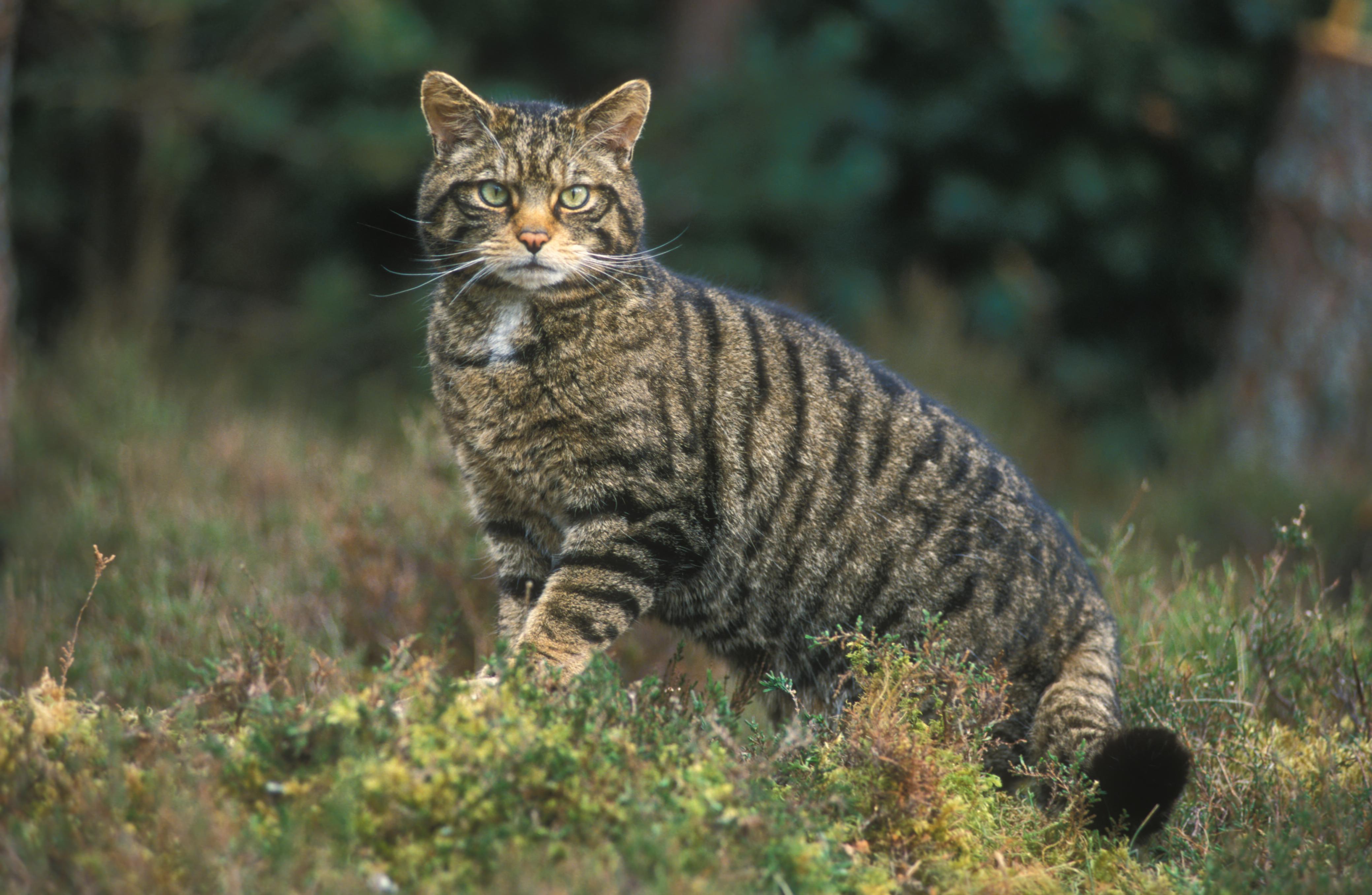
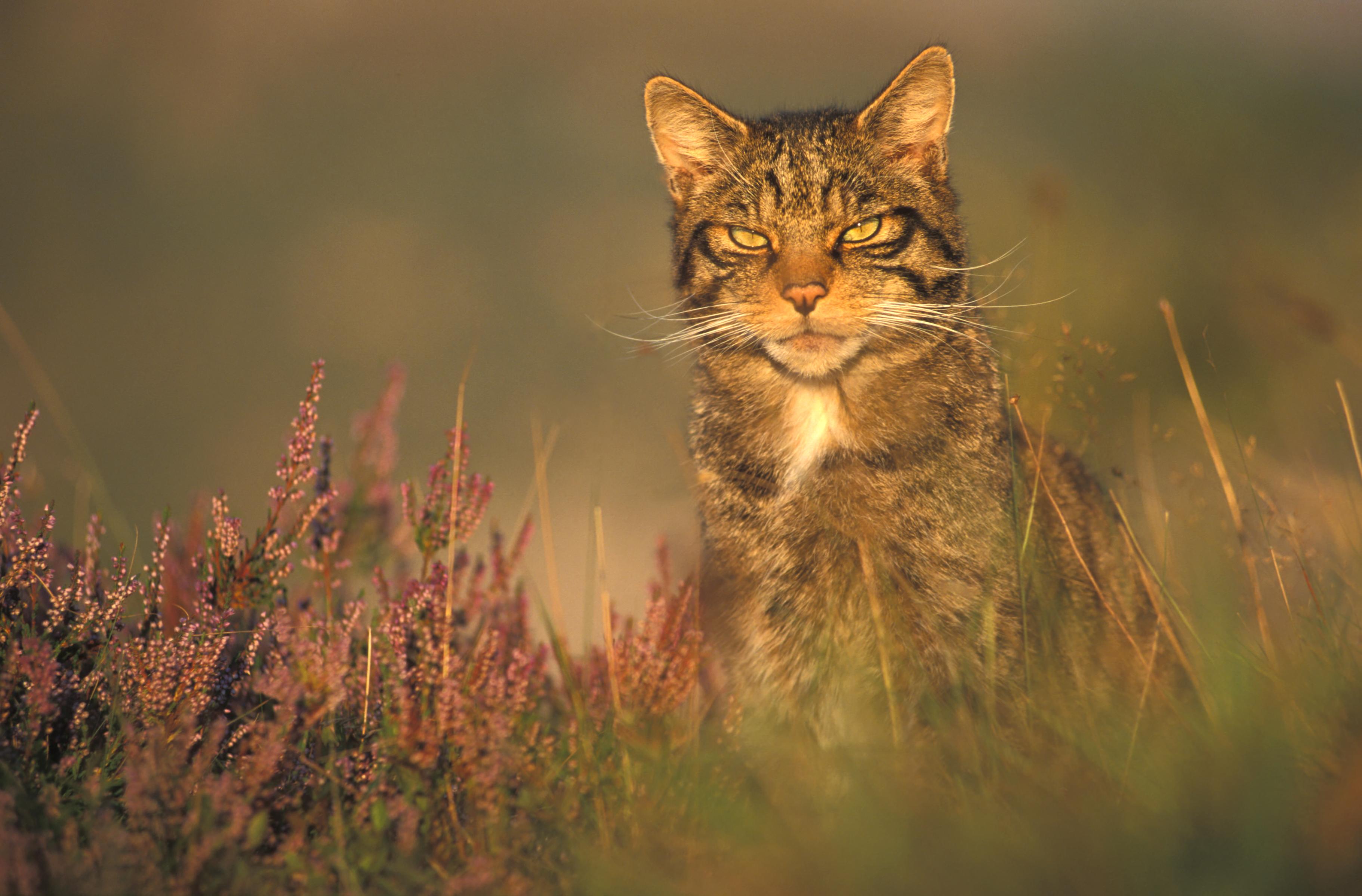
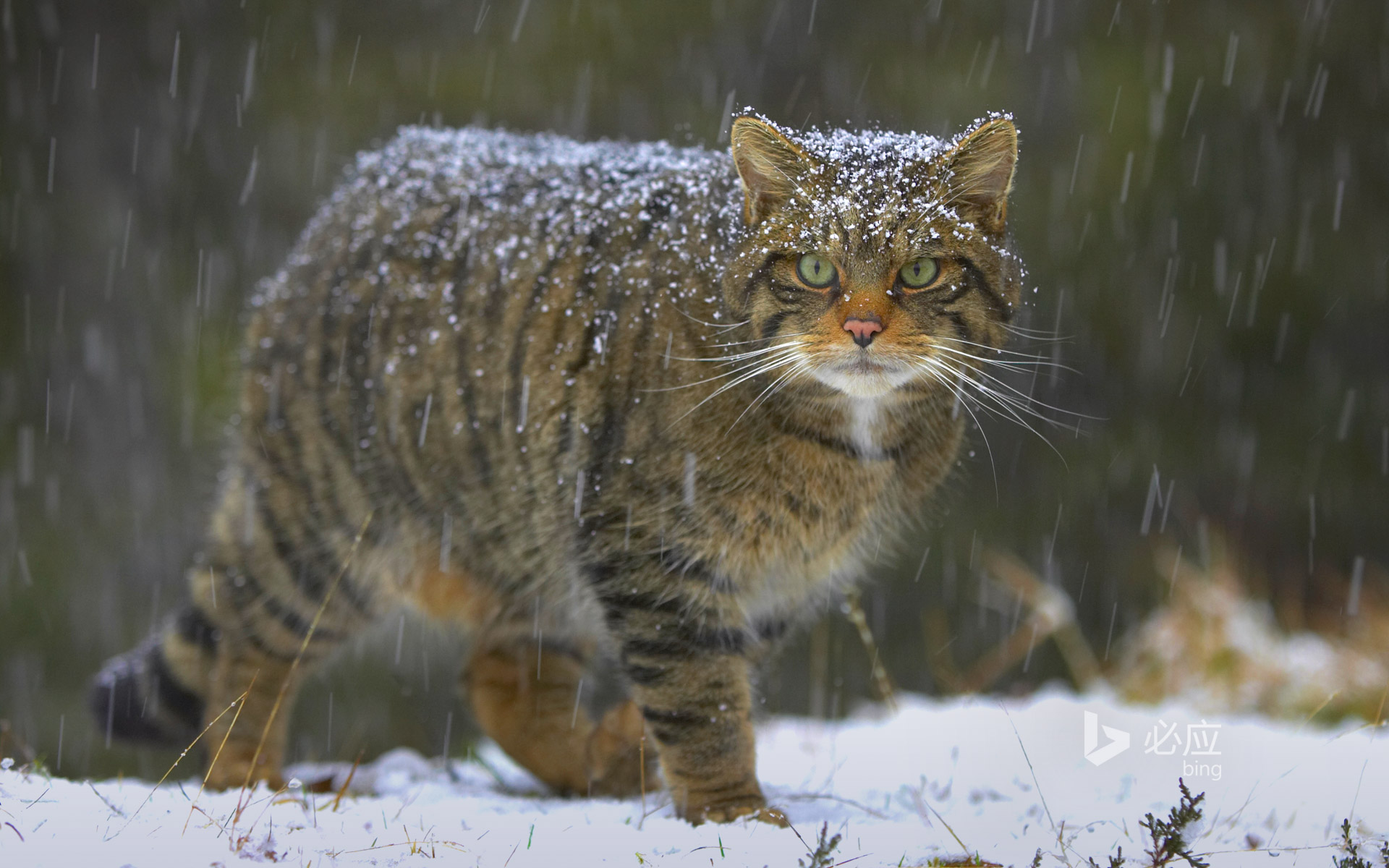
EUROPEAN / SCOTTISH WILD CAT (Felis silvestris)
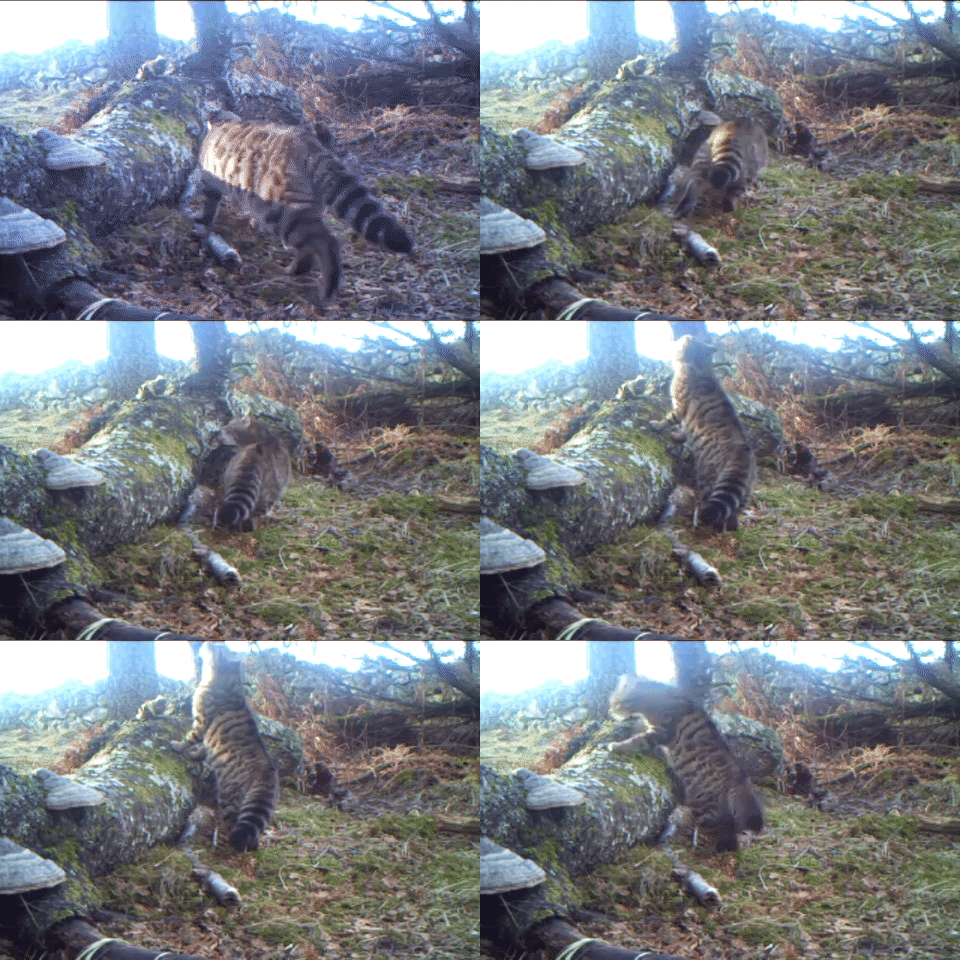
Also known as: Highland Tiger (Scottish), wild cat.
Conservation status: Critically Endangered (Scottish).
Size: The adult Scottish Wild cat is 18 to 25 inches long from the head to the base of the tail; the tail adds a further 10 – 13 inches. It weighs roughly between 2.5 – 7.5 kg.
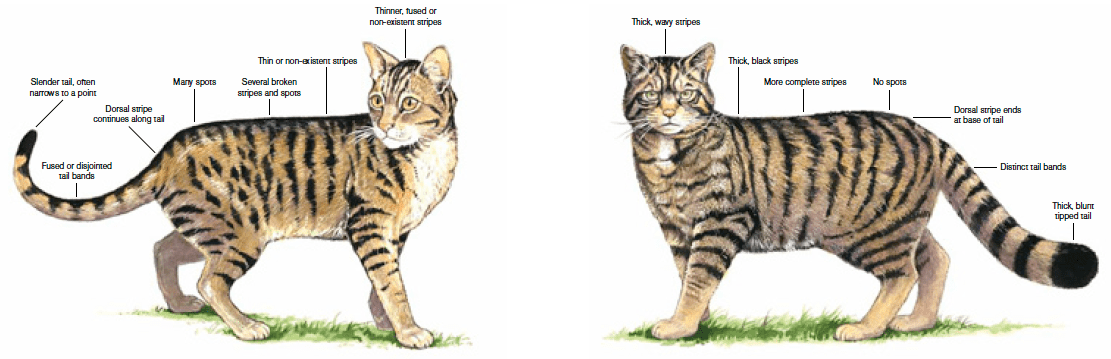
Colour and markings: Grey coat with tabby markings, tail will have unconnected rings rather than connected rings. They can be difficult to tell apart from a domestic cat;
The diagram below illustrates the differences between a hybrid (left) and a true Scottish wildcat (right).
Distribution: Scotland (Scottish Wildcat) Spain, Portugal, Ukraine, Moldova (European Wildcat)
Prey: Rabbits and other small mammals, birds.
Threats: A decline in rabbit numbers due to myxomatosis has almost wiped out the Scottish wildcat. In the rest of Europe cross breeding with domestic cats threaten numbers.
CAT-FACT: The last documented sighting of a wildcat on English soil took place in 1849.
Video
Cat Specific Research and fund raising: Save The Scottish Wild Cat
Extra Photos:
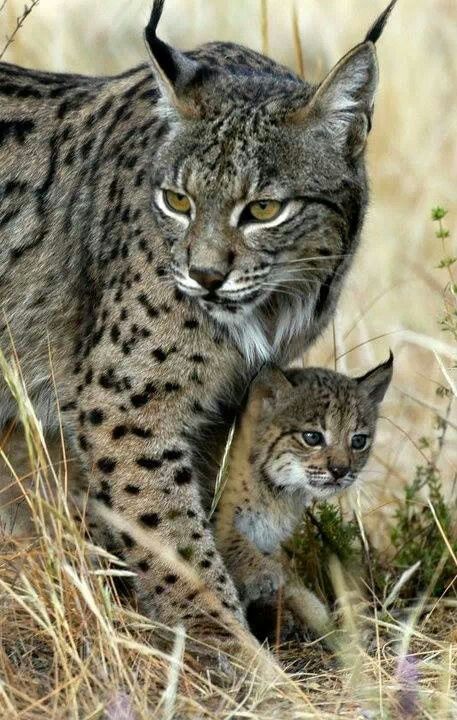
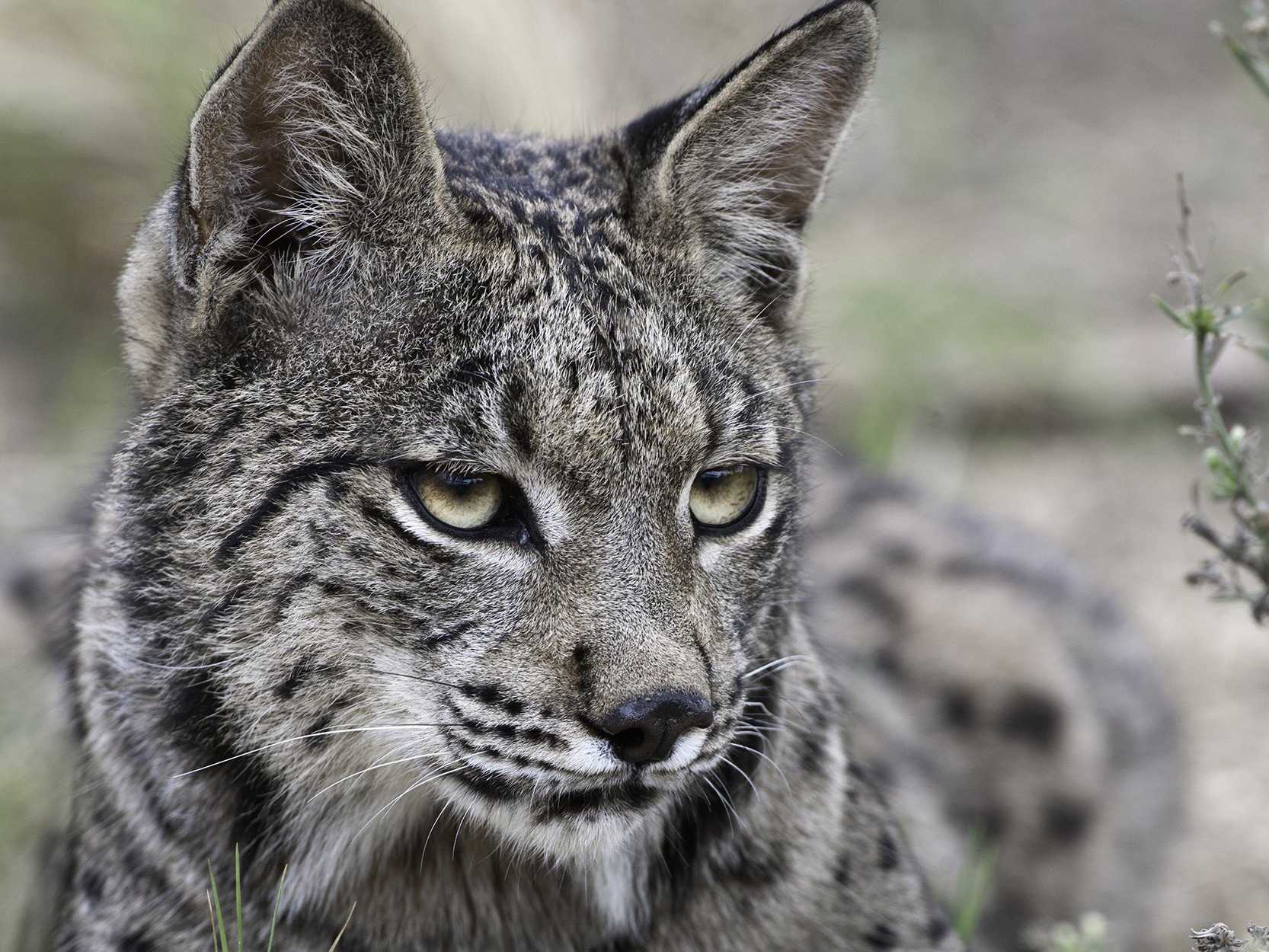
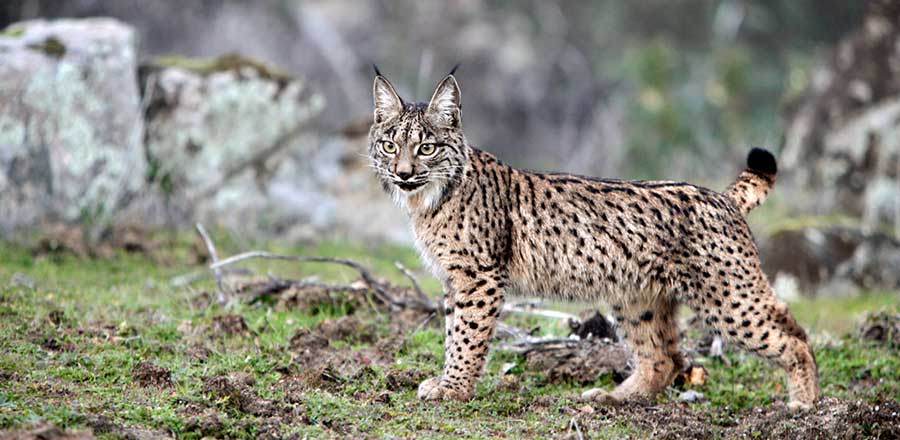
IBERIAN LYNX (Lynx pardinus)
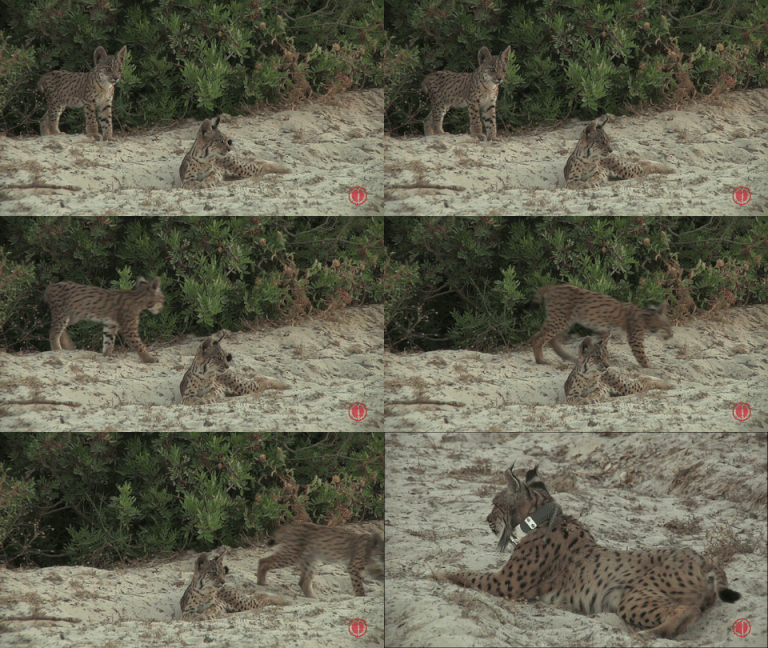
Conservation status: Critically endangered (estimates only 500 left in the wild)

Size: The adult Iberian Lynx is 28 to 38 inches long from the head to the base of the tail; the tail adds a further 4 – 5 inches. It weighs roughly between 9 – 16 kg.
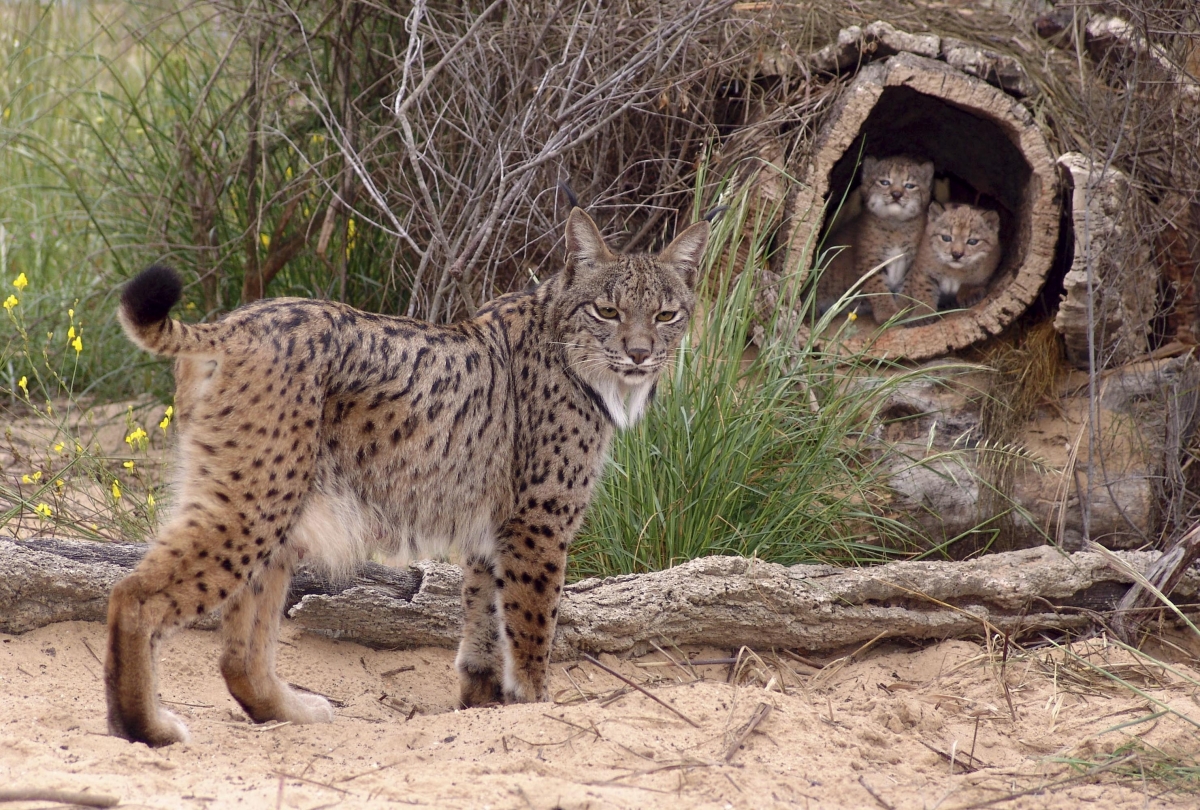
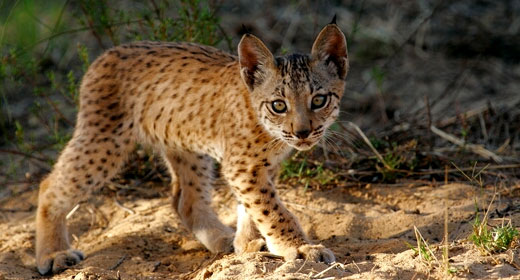
Colour and markings: Pale yellow beige to light reddish brown coat with with dark spots and bars.
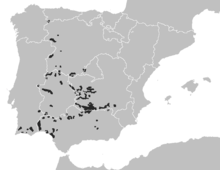
Distribution: Parts of Southern and Central Spain and Eastern Portugal.
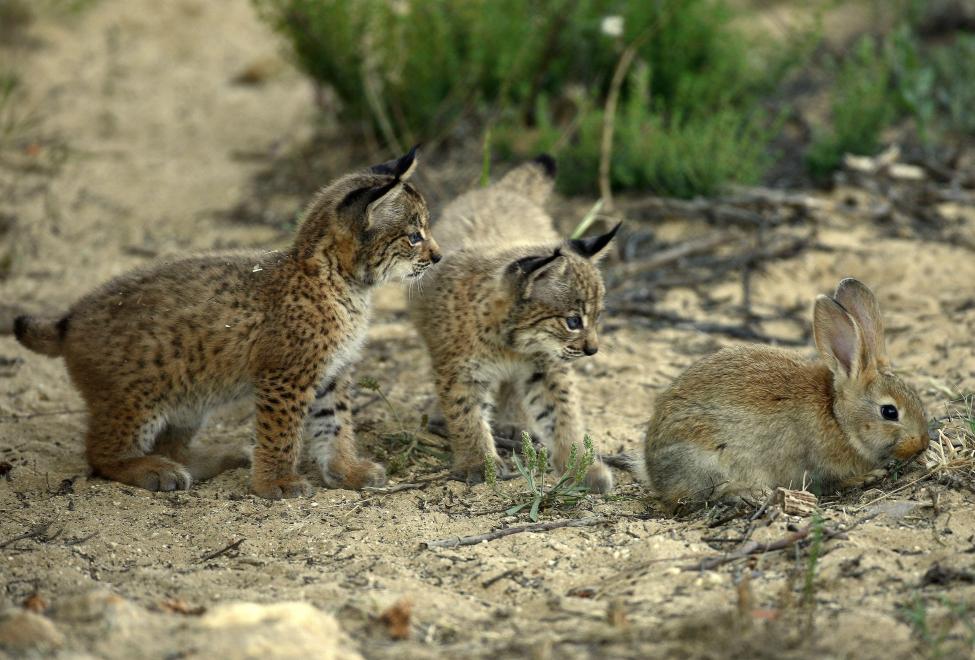
Prey: Rodents, Birds and Rabbits.
Threats: Habitat loss, Pouching, poisoning and Road casualties.
CAT-FACT: If the Iberian lynx were to become extinct, it would be the first big cat species to do so since Smilodon populator 10,000 years ago.
Video
Cat Specific Research and fund raising: The LIFE-lince Project:
Extra Photos:


 FELIS-UK