ASIAN GOLDEN CAT (Catopuma temminckii)
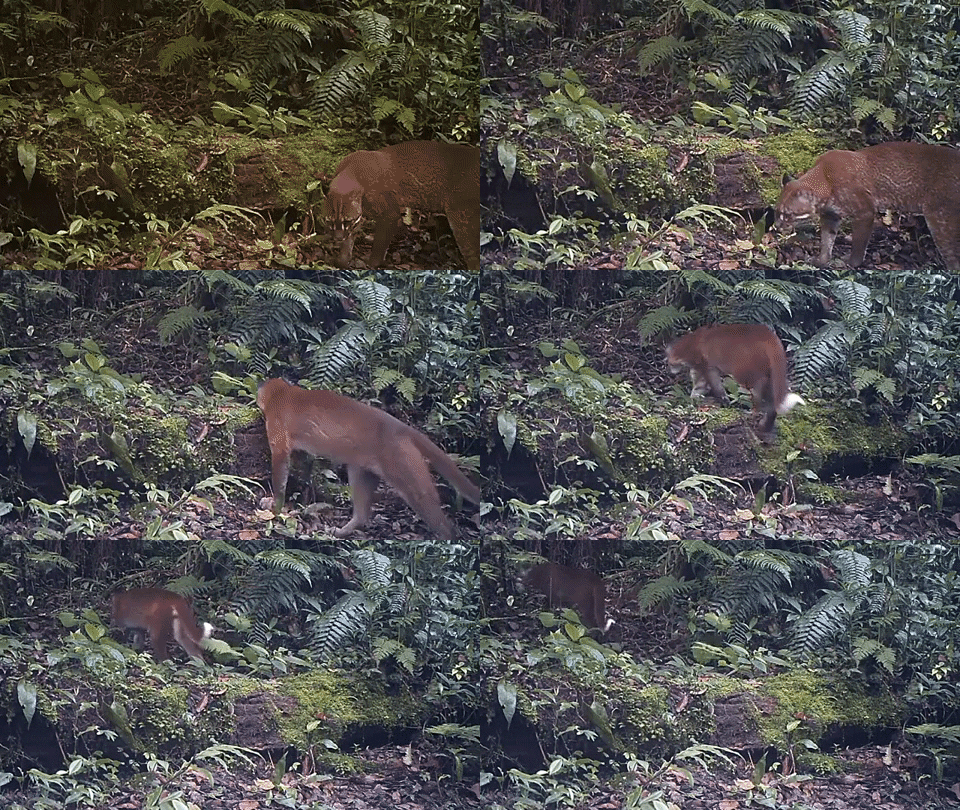
Other names: Asiatic golden cat, Temminck’s cat and Fire Tigers.
Conservation status: Near Threatened

Size: The adult Asian golden cat is 19 to 31 inches long from the head to the base of the tail; the tail adds a further 13-22 inches. It weighs roughly between 12-16 kg.
Colour and markings: Golden brown to dark brown, red, or grey base coat plain or marked with stripes or spots.
Distribution: Throughout South East Asia;

Prey: Birds, rodents, reptiles and small deer.
Threats: Deforestation and declining prey numbers.
CAT-FACT: People believe that burning of the fur of Asian golden cats keep tigers at a safe distance. Because of that, Asian golden cats are also known as “fire tigers”.
Video:
Photo Gallery:



BORNEAN BAY CAT (Catopuma badia)
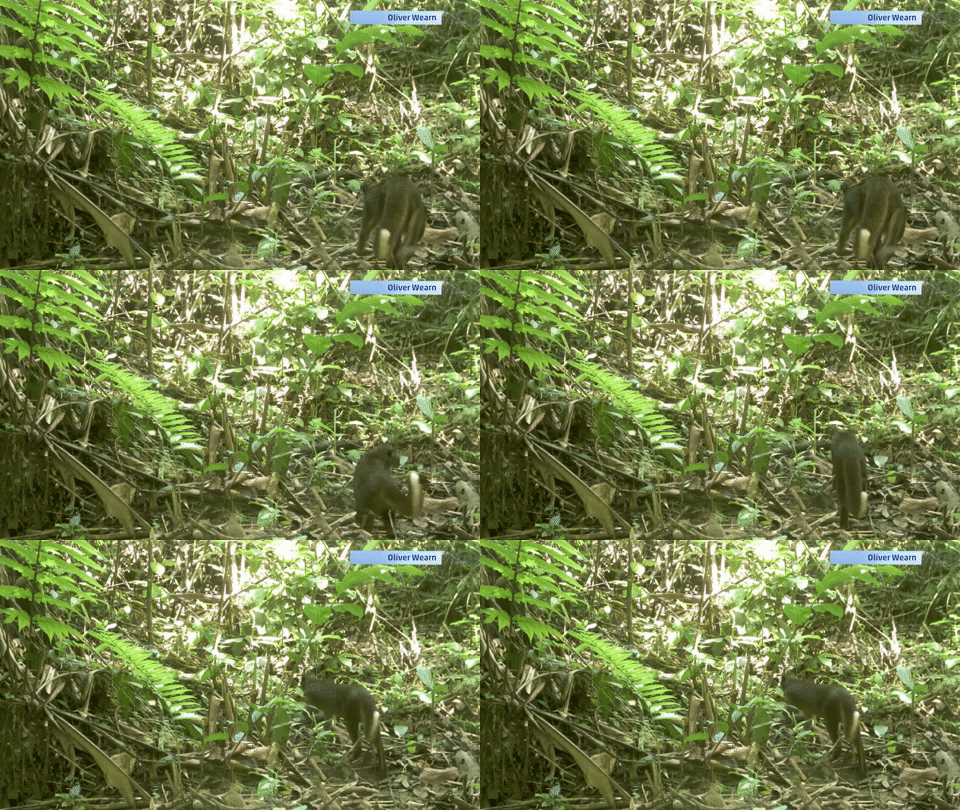
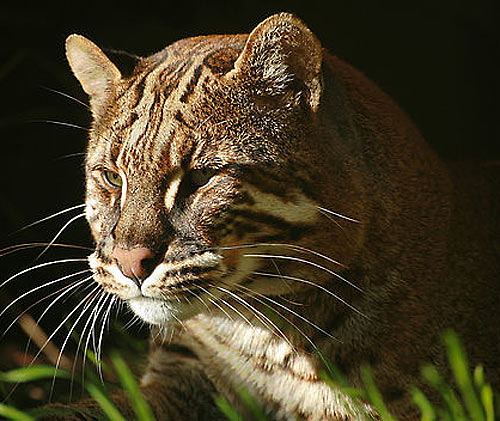
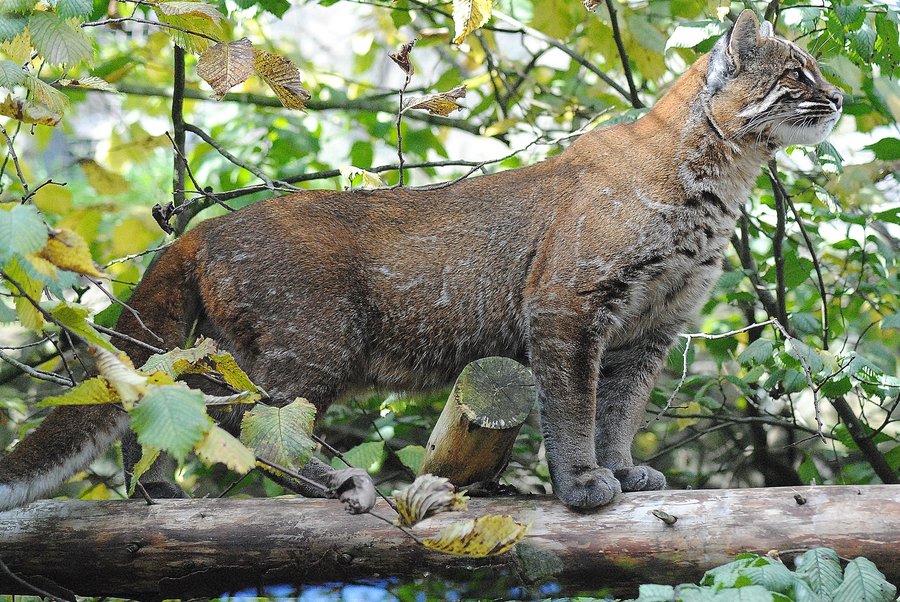
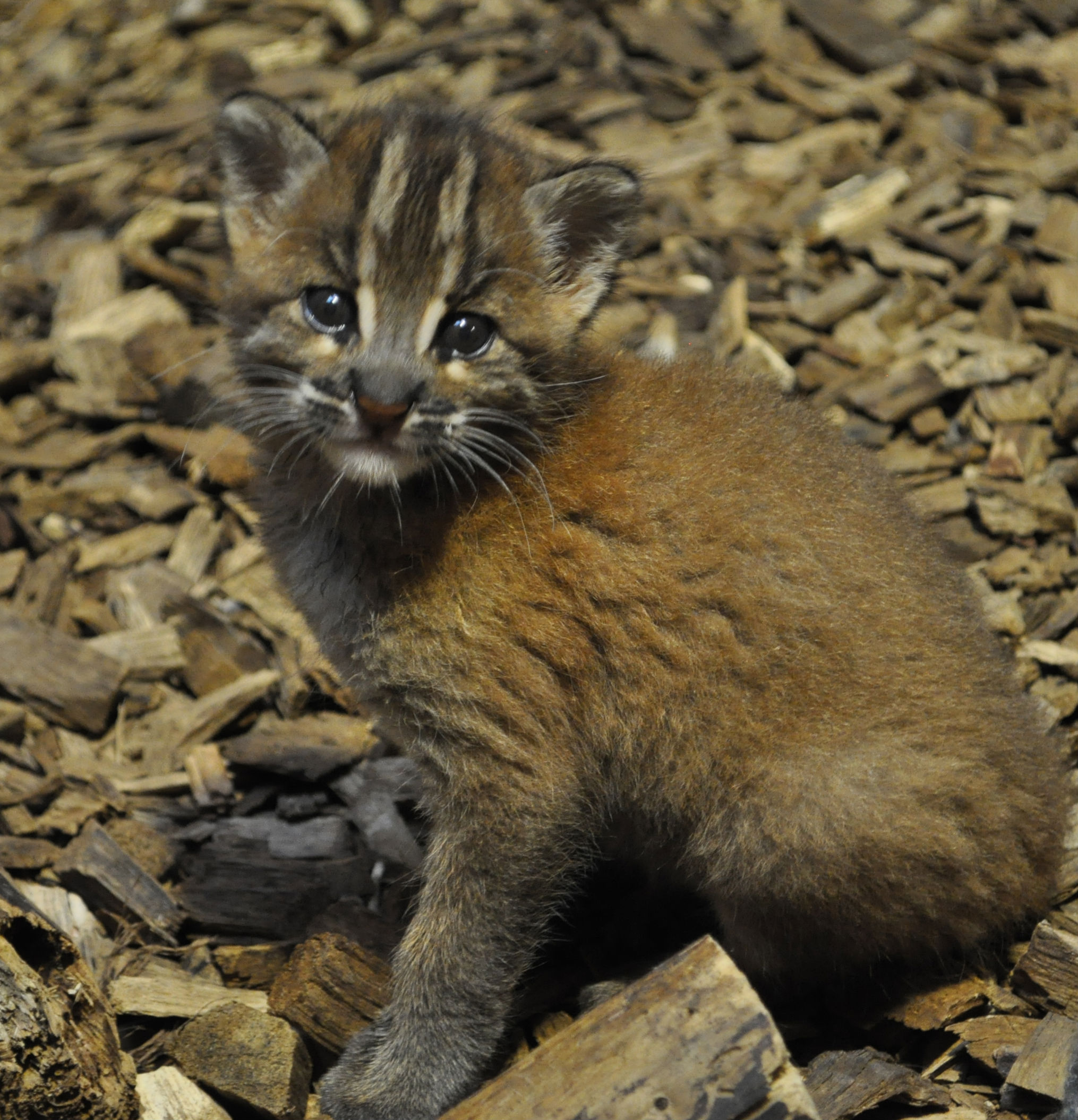
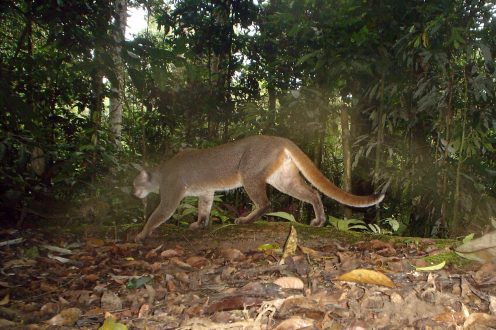
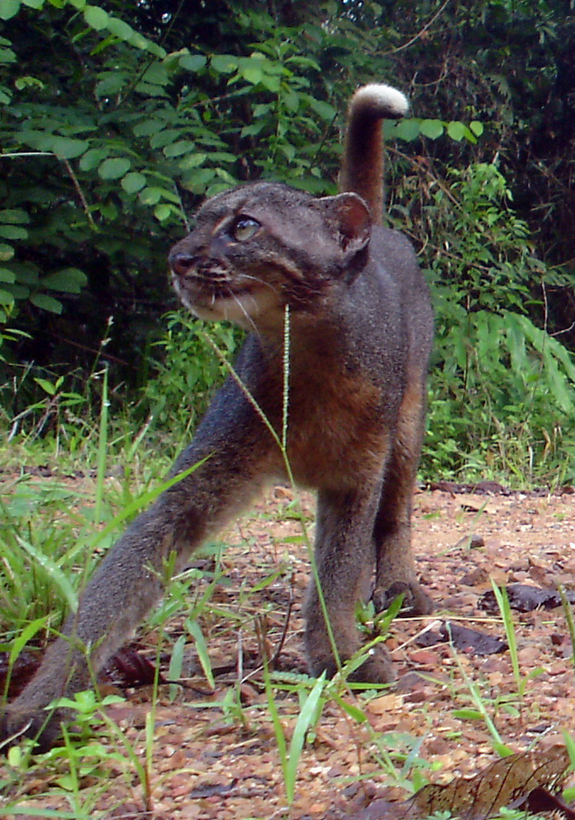
Also known as: Bay Cat, Bornean cat or Bornean marbled cat.
Conservation status: Endangered.

Size: The adult Bornean bay cat is 19 to 26 inches long from the head to the base of the tail; the tail adds a further 12-15 inches. It weighs roughly between 3-6 kg.
Colour and markings: Bright chestnut coloured base coat with faint spots on the legs and underparts.
Distribution: Bay cats are endemic to Borneo.

Prey: Unknown.
Threats: Habitat destruction and a lack of research.
CAT-FACT: The Bay cat is one of the most mysterious and rarest species of wild cats in the world. Bay cats are rarely caught on tape. After 5034 nights of recording, only one photo of bay cat was recorded.
Video:
Photo Gallery:




CHINESE MOUNTAIN CAT (Felis bieti)

Also known as: Chinese desert cat and the Chinese steppe cat.
Conservation status: Vulnerable

Size: The adult Chinese Mountain cat is 27 to 33 inches long from the head to the base of the tail; the tail adds a further 11 – 16 inches. It weighs roughly between 6.5 – 9 kg.
Colour and markings: Light brown or gray coloured coat with darker spots and blotches and sometimes a hooped tail.
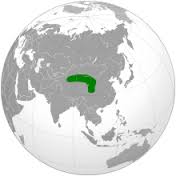
Distribution: Mainly distributed in Shanxi, Gansu, Xingjiang, Qjinghai and Inner Mongolia.
Prey: Rodents, Pikas (small mammal) and birds.
Threats: Fur trade.
CAT-FACT: The Chinese Mountain Cat was originally called the Chinese Desert Cat, but in 1992 it was agreed to change it to the Chinese Mountain Cat since it never actually inhabited the desert at all.
Video:
Photo Gallery:


SUNDA CLOUDED LEOPARD (Neofelis diardi)
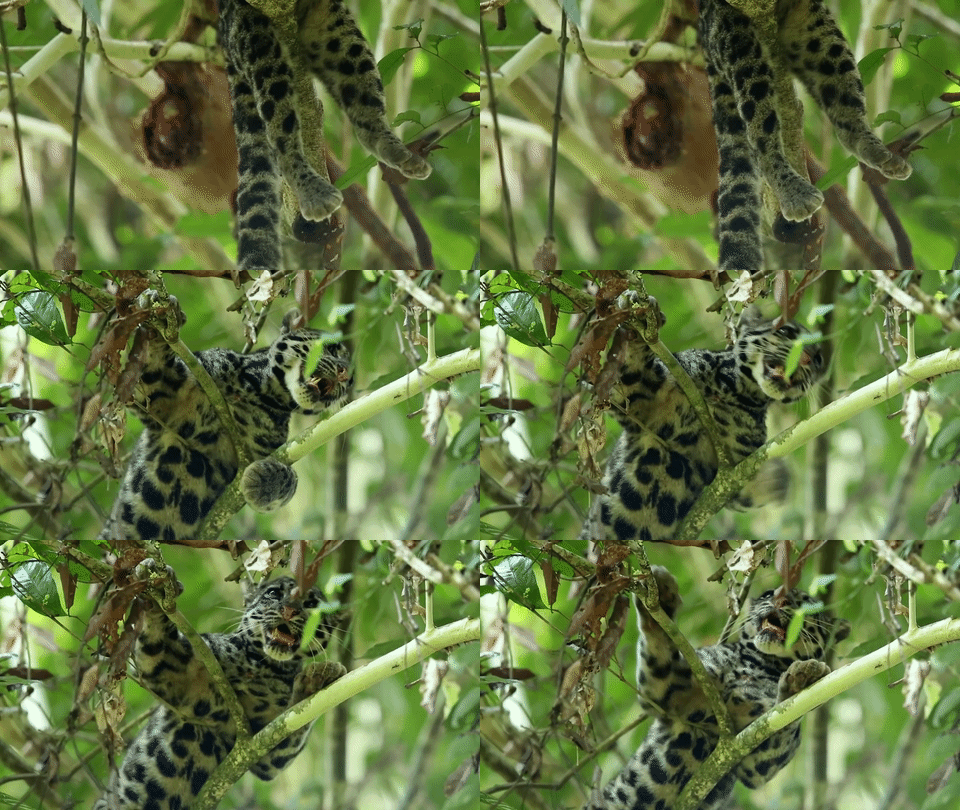
Also known as: Sundaland clouded leopard or Bornean clouded leopard.
Conservation status: Vulnerable

Size: The adult Sunda Clouded Leopard is 32 to 37 inches long from the head to the base of the tail; the tail adds a massive 23 – 33 inches. It weighs roughly between 11 – 22 kg.
Colour and markings: Greyish beige, light yellow ochre to yellow brown base coat with clouded (this is how they got their name) shaped markings and black lines and spots.
Distribution: Sunda clouded leopards are as far as we know restricted to the islands of Borneo and Sumatra in Indonesia.

Prey: Rodents, Pikas (small mammal) and birds.
Threats: Habitat destruction.
CAT-FACT: Their canine teeth are 2 inches (5.1 cm) long, which, in proportion to the skull length, are longer than those of any other extant cat.
Video:
Cat Specific research projects: Clouded Leopard Project
Photo Gallery:
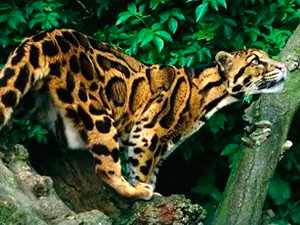


MAINLAND CLOUDED LEOPARD (Neofelis nebulosa)

Also known as: Tree Tiger.
Conservation status: Vulnerable.
Size: The Clouded Leopard is 32 to 37 inches long from the head to the base of the tail; the tail adds a massive 23 – 33 inches. It weighs roughly between 11 – 22 kg.
Colour and markings: Greyish beige, light yellow ochre to yellow brown base coat with clouded shaped markings and black lines and spots.
Distribution: Clouded leopards occur from the Himalayan foothills in Nepal and India to Myanmar, Bhutan, Thailand, Peninsular Malaysia, Indochina, and in China.

Prey: Rodents, Monkeys and small Deer.
Threats: Habitat destruction and commercial poaching for the wildlife trade.
CAT-FACT: Until 2006, there was thought to be a single clouded leopard species. However, recent genetic and morphological research has shown that there are two distinct species, the Clouded leopard and the Sunda clouded leopard.
Video:
Cat Specific research projects: Clouded Leopard Project
Photo Gallery:


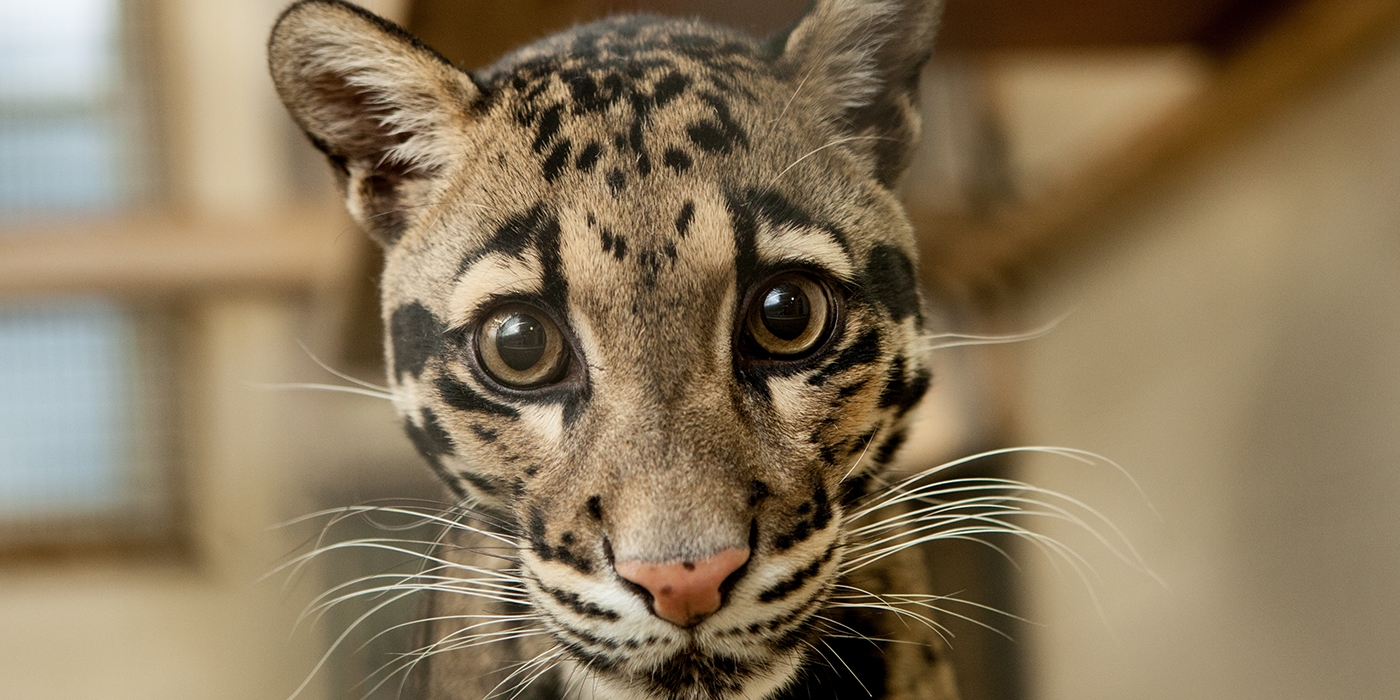


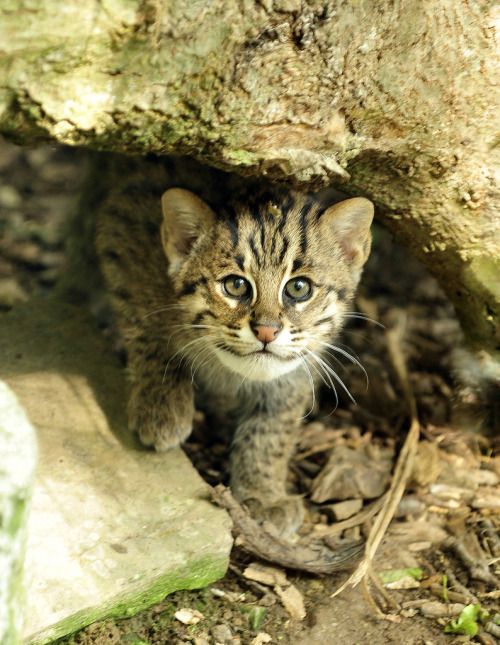
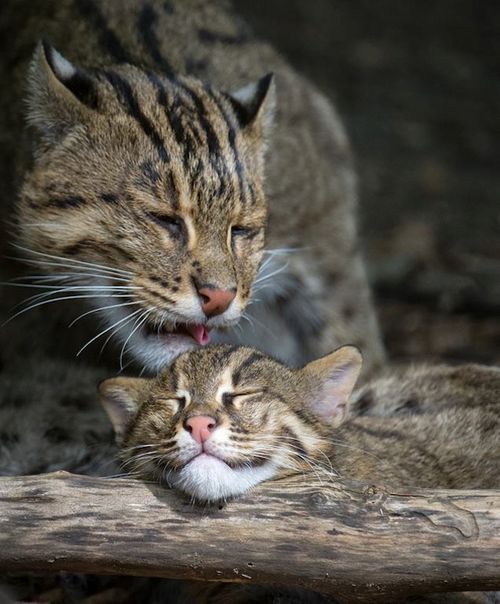
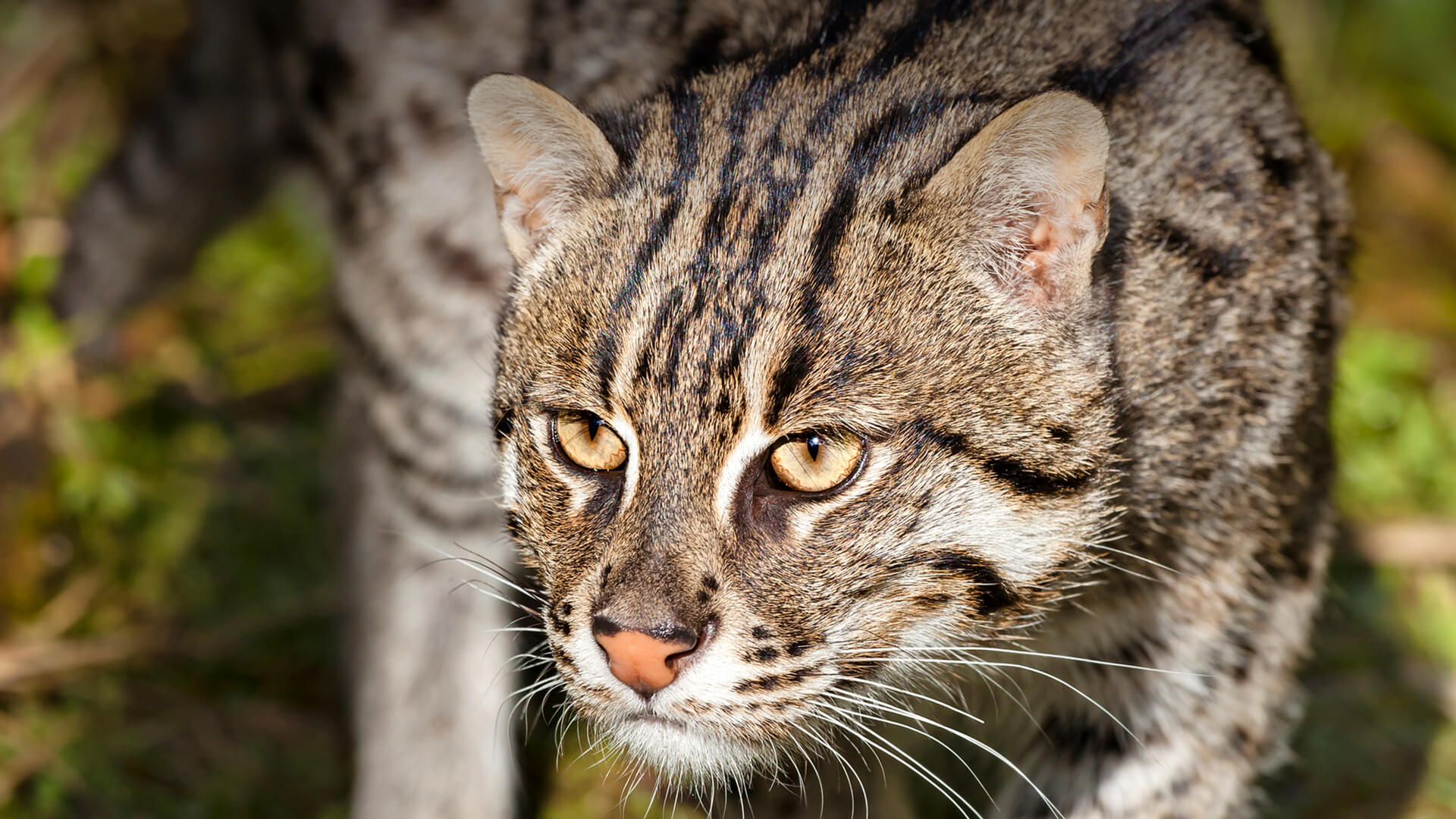
FISHING CAT (Prinailurus viverrinus)
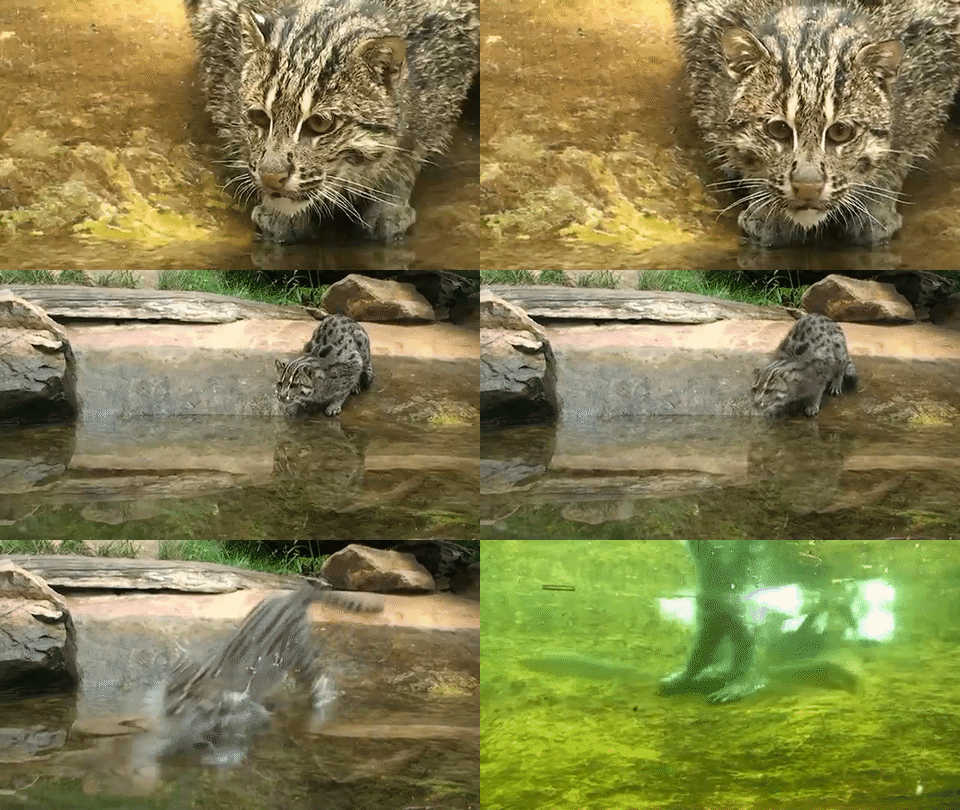
Also known as: Fish Tiger.
Conservation status: Vulnerable.
Size: The adult Fishing cat is 25 to 39 inches long from the head to the base of the tail; the tail adds a further 9.5 – 16 inches. It weighs roughly between 5 – 15 kg.
Colour and markings: Grey-Olive brown base coat with small black spots.
Distribution: Limited distribution in Asia, very rare sightings in Pakistan. India and Nepal. Prey: Fish, frogs, small mammals, birds.
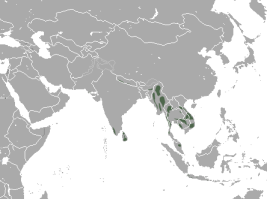
Prey: Rodents, Pikas (small mammal) and birds.
Threats: Due its dependence on wetlands, much of the fishing cats habitat is diminishing and we have already seen the fishing cat become extinct in Malaysia and China.
CAT-FACT: Fishing cats have highly sensitive whiskers that allow them to sense prey underwater, even when the water is muddy. They do this by dipping the ends of the whiskers in the water to sense for fish in a similar way to how seals use their whiskers.
Video:
Cat Specific research projects: Fishing Cat Working Group
Photo Gallery:





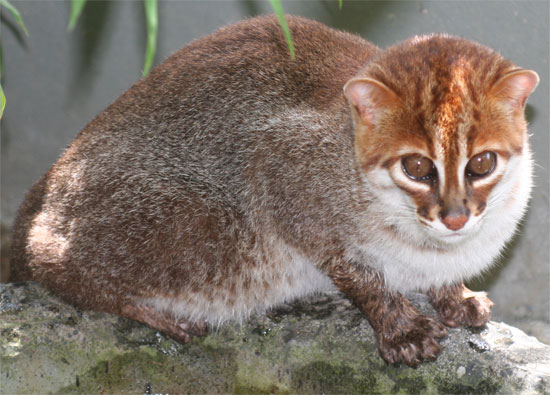
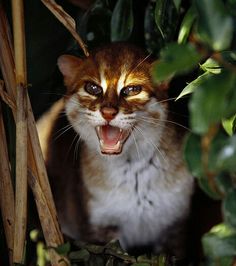
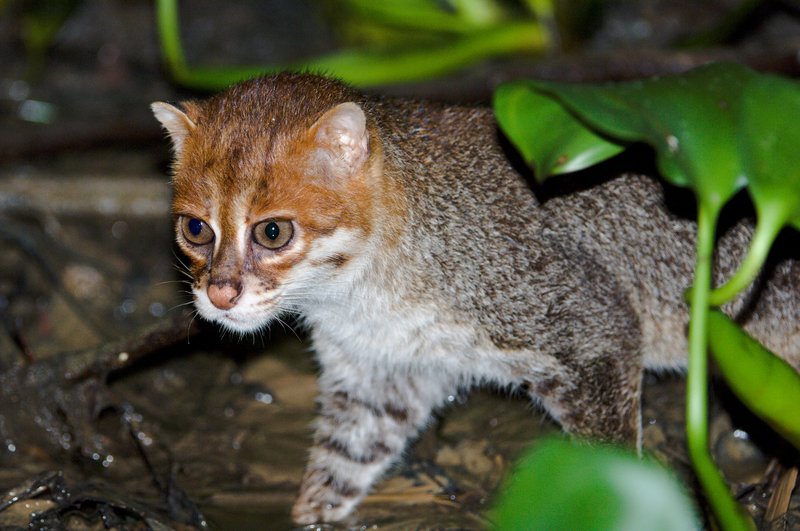
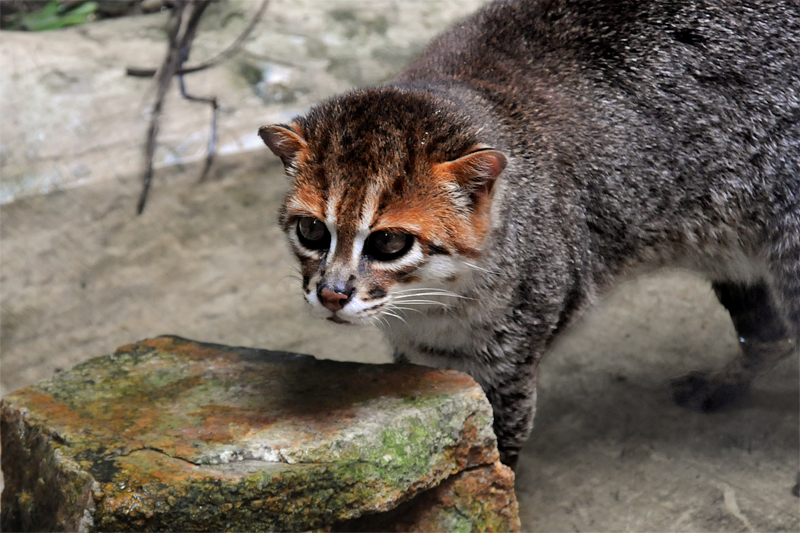
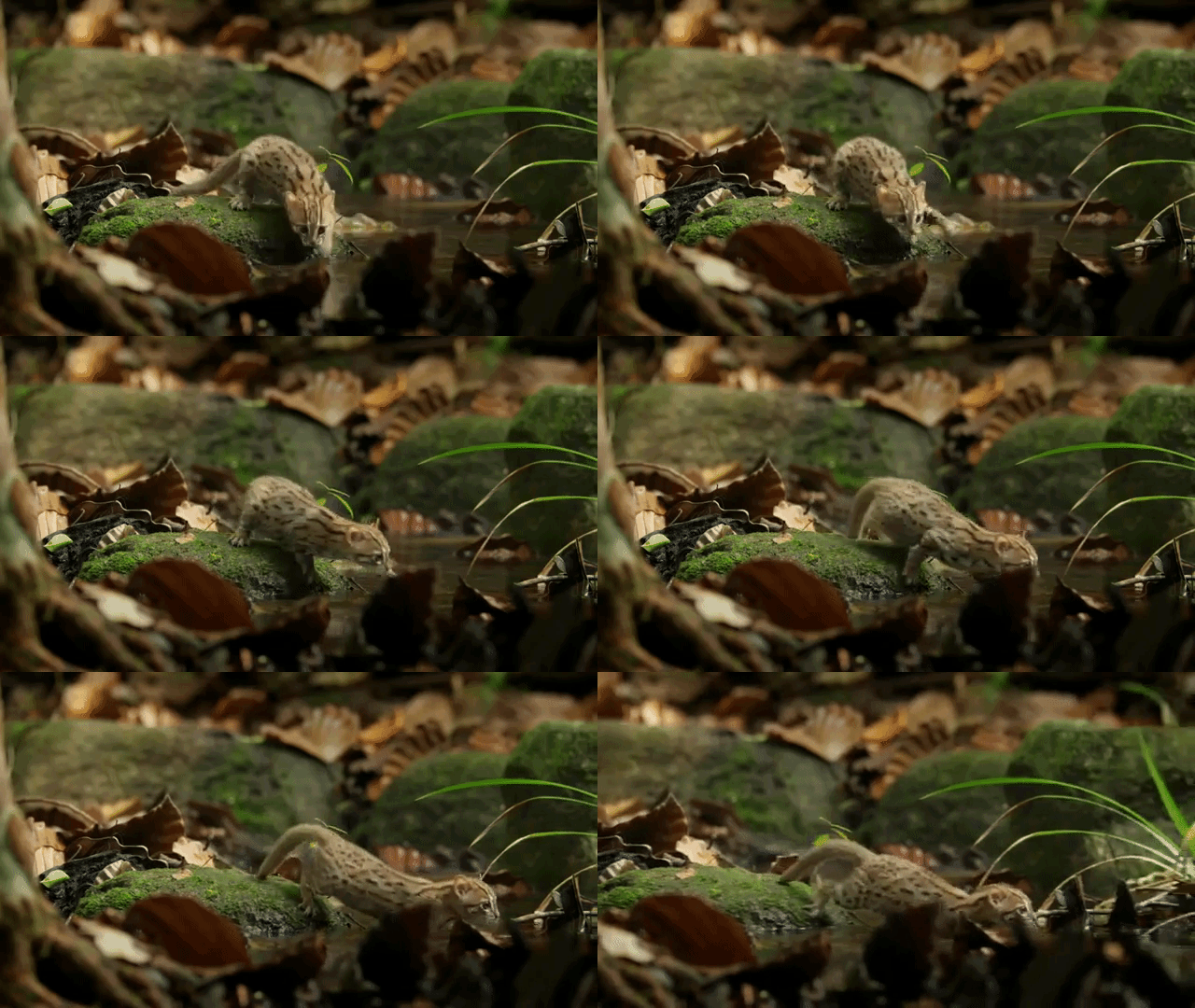
FLAT HEADED CAT (Prionailurus planiceps)
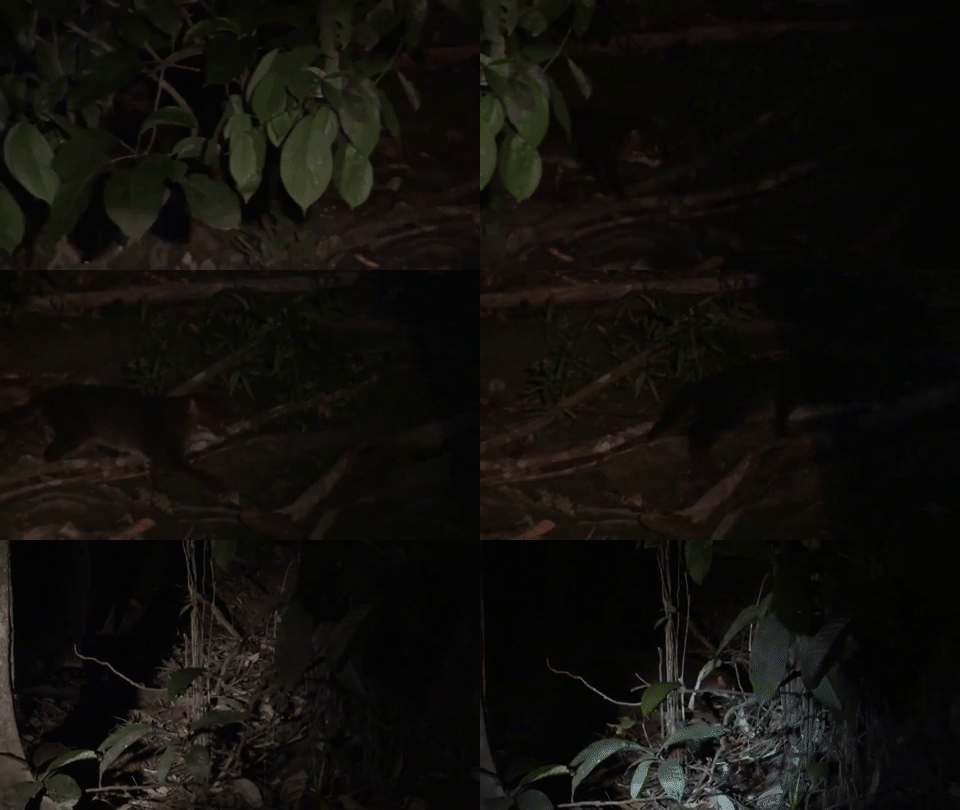
Conservation status: Endangered.

Size: The adult Flat-headed cat is 16 to 21 inches long from the head to the base of the tail; the tail adds a further 6 – 8 inches. It weighs roughly between 1.6 – 2.2 kg.
Colour and markings: Rusty red to dark brown with a silver tinge base coat with spotted markings.
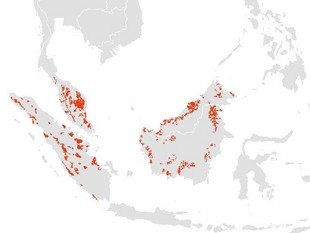
Distribution: Southern Thailand, Malaysia, Sumatra and Borneo.
Prey: Rodents
Threats: Flat-headed cats are primarily threatened by a loss of habitat but also threats come from trapping and poisoning.
CAT-FACT: Flat-headed cats like to wash their food before they start to eat it (just like raccoons).
Video:
Photo Gallery:


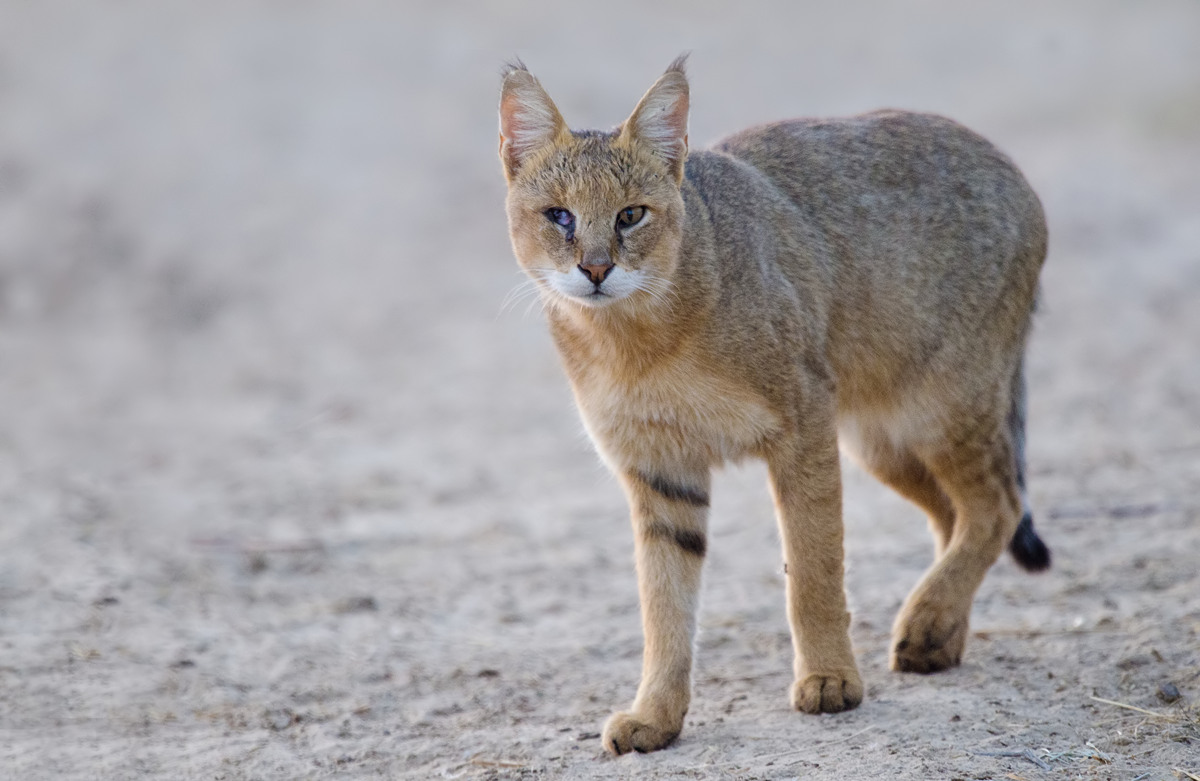
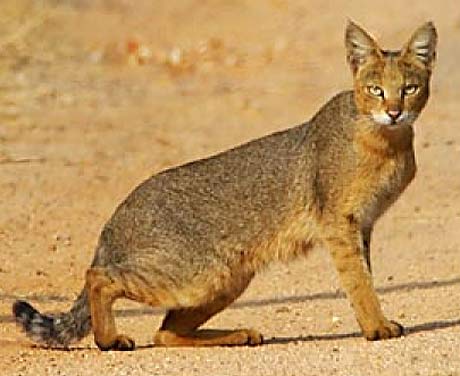
JUNGLE CAT (Felis chaus)

Also known as: Reed cat or swamp cat.
Conservation status: Least Concern.

Size: The adult jungle cat is 19 to 35 inches long from the head to the base of the tail; the tail adds a further 7 – 12 inches. It weighs roughly between 4 – 16 kg.
Colour and markings: Sandy brown base coat with faint stripes.
Distribution: West and Central Asia, but also in South Asia, Sri Lanka and Southeast Asia.

Prey: Rodents, frogs, birds, hares, various reptiles, including turtles and snakes.
Threats: Hunting, poisoning & loss of habitat.
CAT-FACT: Although never truly domesticated, a small number of jungle cats have been found among the cat mummies of Ancient Egypt, dating to 3700 BC. The vast majority of these are domestic cats, suggesting that they may have been used to help control rodent populations.
Video:
Photo Gallery:


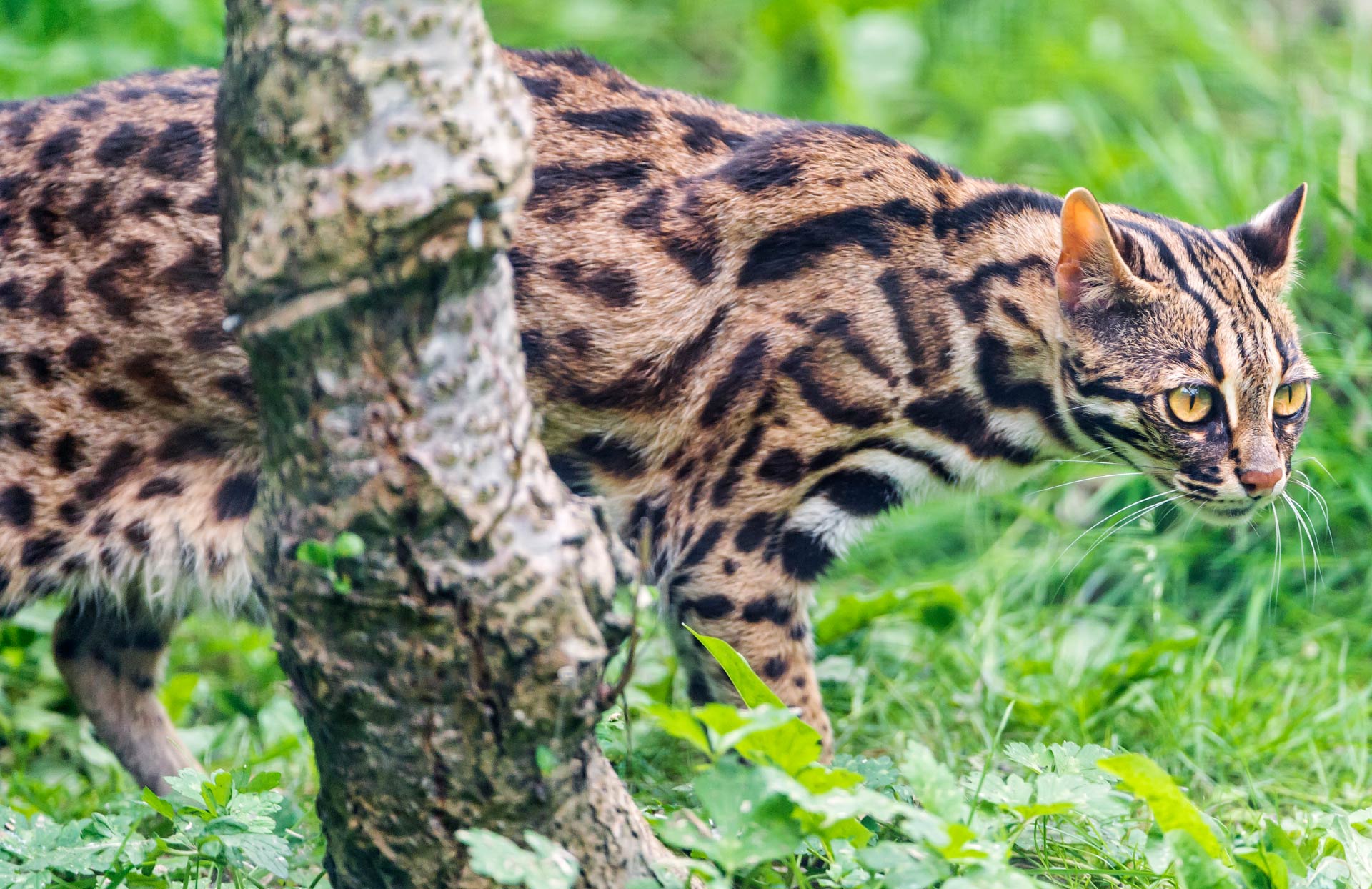
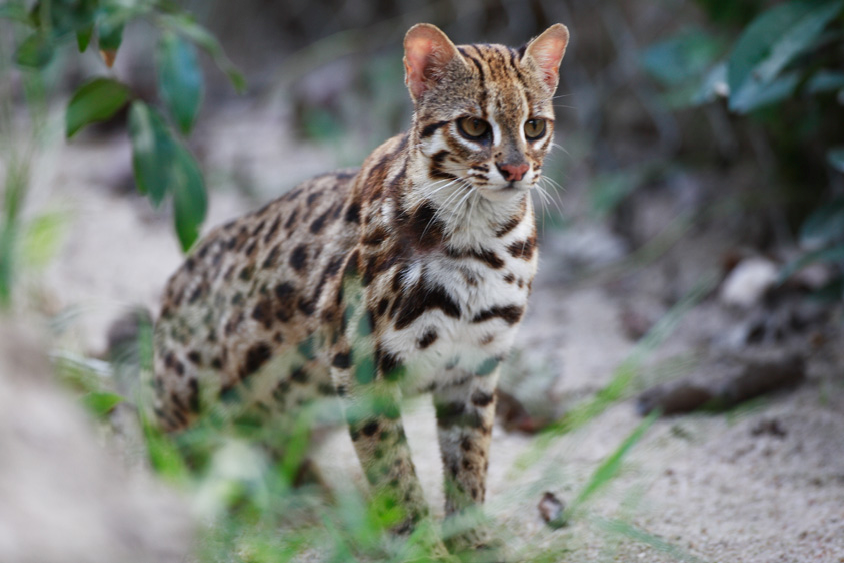
LEOPARD CAT (Prionailurus bengalensis)

Conservation status: Least Concern.

Size: The adult Leopard cat is 17 to 33 inches long from the head to the base of the tail; the tail adds a further 6 -17 inches. It weighs roughly between 2 – 7 kg.
Colour and markings: Pale brown, to bright reddish base coat with spots stripes bands and blotches.
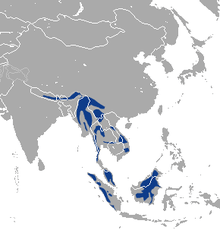
Distribution: Asia.

Prey: Small mammals, birds, reptiles.
Threats: Leopard cats are hunted for their beautiful fur.
CAT-FACT: Leopard cats have webbed toes which facilitate swimming and movement on the slippery ground. They’re are also excellent climbers.
Video:
Photo Gallery:




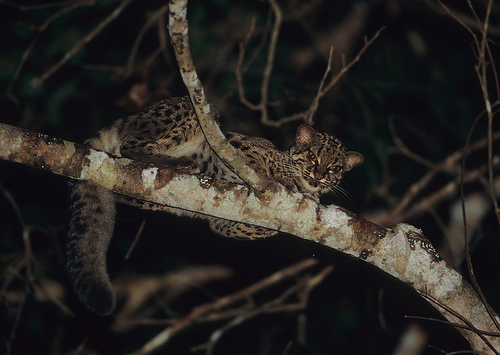
MARBLED CAT (Pardofelis marmorata)

Conservation status: Not threatened

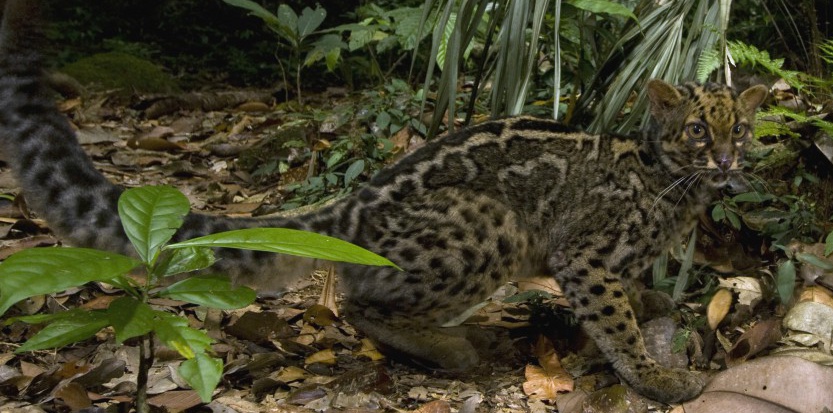
Size: The adult marbled cat is 17 to 24 inches long from the head to the base of the tail; the tail adds an impressive 13 – 21 inches. It weighs roughly between 3 – 6 kg.
Colour and markings: Dark Brownish grey with dark blotches, stripes and spots.
Distribution: Indo-Malaya.
Prey: Birds, reptiles and rodents.
Threats: Loss of habitat, traps and although illegal in most countries, it is still hunted for its fur.
CAT-FACTS: Marbled cats long bushy tail provides balance required for movement in the trees. Arboreal life is one of the reasons why people rarely encounter marbled cats in the wild.
Video:
Photo Gallery:


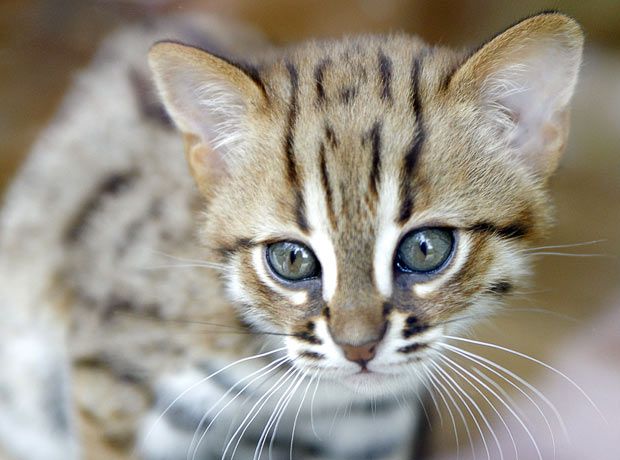
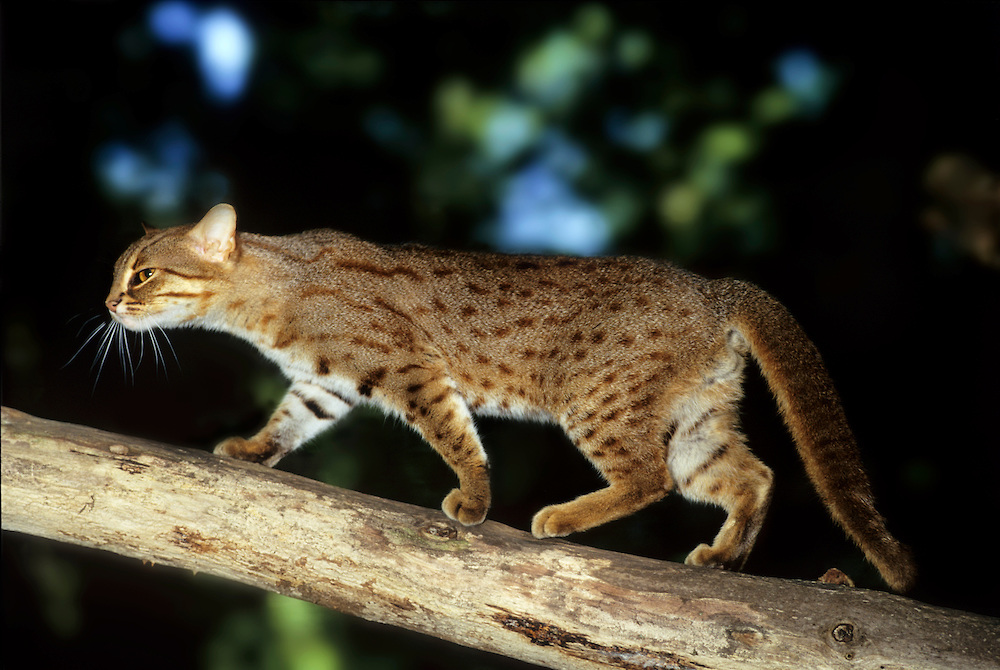
RUSTY SPOTTED CAT (Prionailurus rubiginosus)
Also known as: Hummingbird cat.
Conservation status: Near threatened.

Size: The adult Rusty spotted cat is 13 to 18 inches long from the head to the base of the tail; the tail adds a further 4 – 10 inches. It weighs roughly between 1 – 1.6 kg hence the nickname ‘The hummingbird cat’.
Colour and markings: Brownish grey with reddish tinge with elongated brown blotches and dark brown spots.
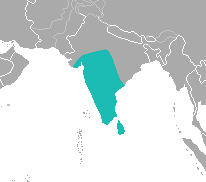
Distribution: India and Sri Lanka.
Prey: Rodents and Bird, lizards, reptiles and insects.
Threats: Loss of habitat and hunted for its pelt.
CAT-FACT: The Rusty-spotted cat is the smallest species of cat in the world. A fully grown rusty spotted cat is roughly half the size of a normal domestic cat.
Video:
Photo Gallery:
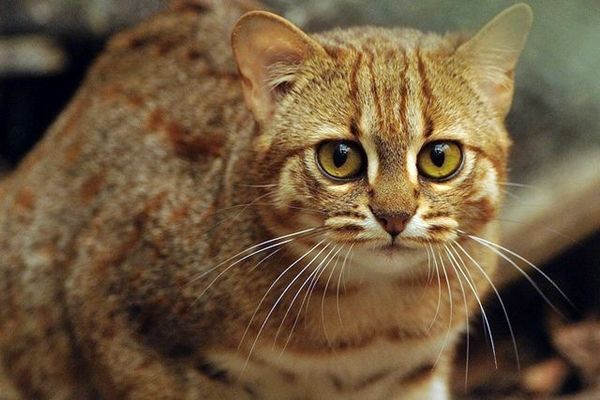



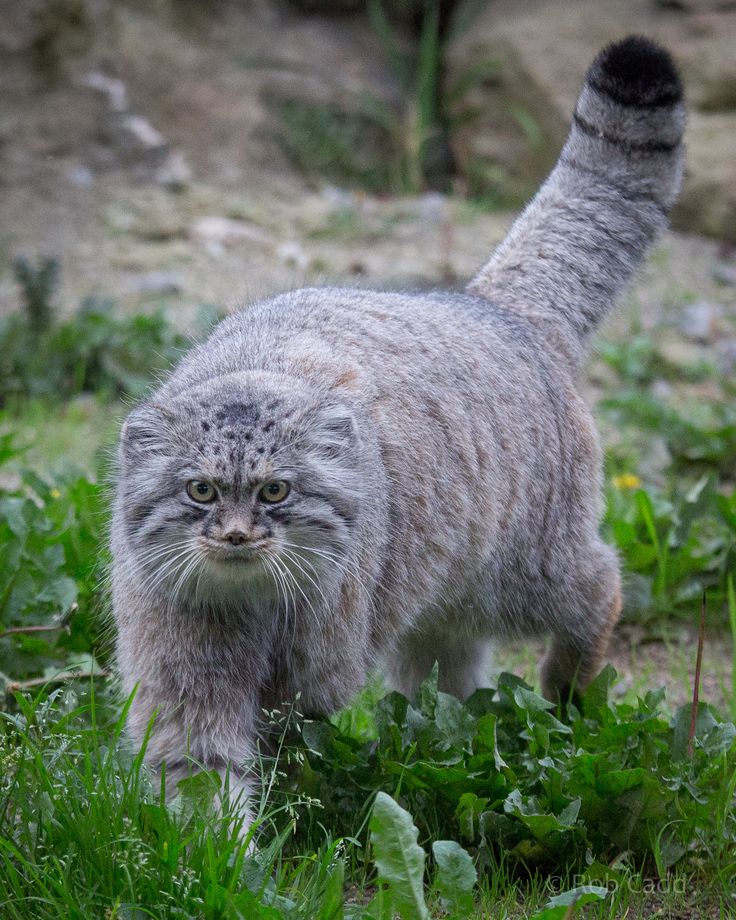
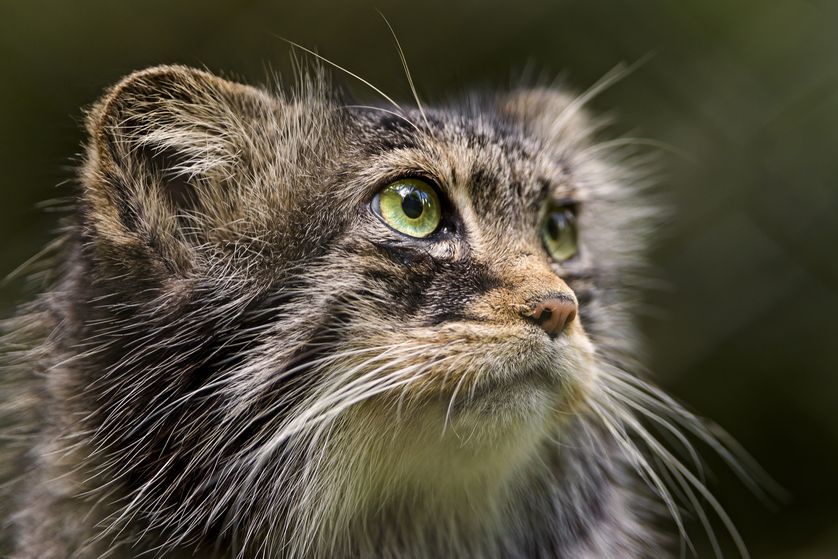
PALLAS’S CAT (Otocolobus manul)
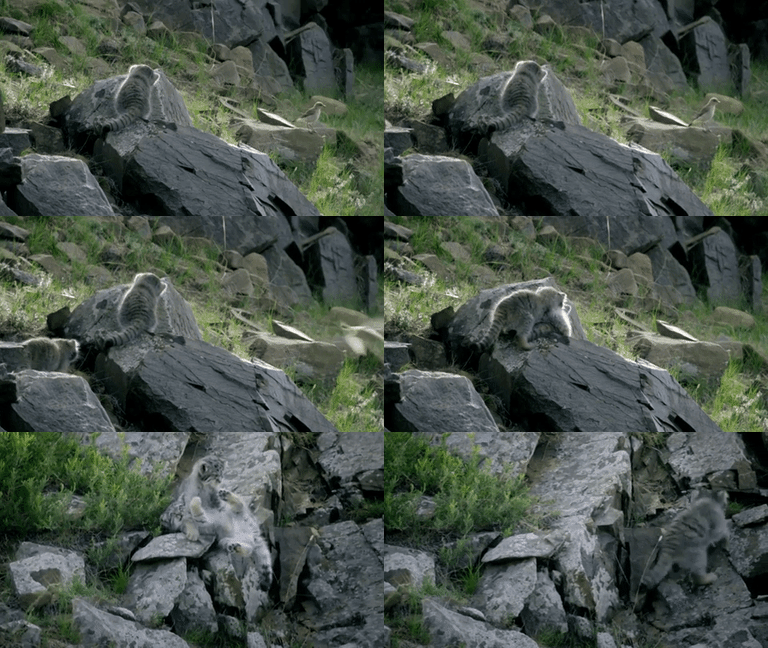
Also known as: Manul or Floof-chonk Cat
Conservation status: Near Threatened

Size: The adult Pallas’s cat is 22 to 25 inches long from the head to the base of the tail; the tail adds a further 8 – 12 inches. It weighs roughly between 2.5 – 4.5 kg.
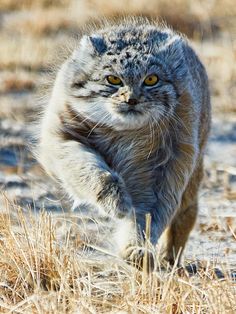
Colour and markings: Base coat is greyish to reddish orange with dark stripes.

Distribution: Asia.

Prey: Small mammals such as Gerbils, Marmots and Voles.
Threats: Hunted for their skin and often mistaken for Marmots and shot or trapped.
CAT-FACT: Pallas’s cats fur is nearly twice as long on their belly and tail as on their top and sides. This helps keep the cats warm as they hunt on snow or frozen ground. The length and density of their fur changes seasonally, growing longer and heavier in the winter.
Video:
Photo Gallery:





 FELIS-UK